Best Wine With Steak: 4 Top Picks
Post Disclaimer
*We may earn a commission for purchases made using our links. Please see our disclosure to learn more.
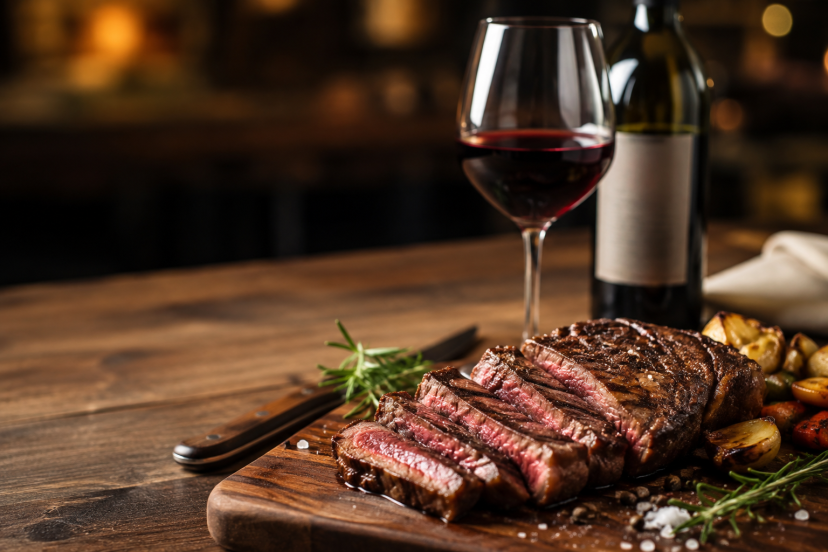
Few food-and-wine combinations are as classic as a perfectly cooked steak with a glass of red wine. The richness of beef, its browned crust, rendered fat, salt, and smoky flavors create an ideal setting for wines with enough fruit, acidity, tannin, and structure to stand alongside the meat.
But choosing the best wine with steak involves more than simply reaching for the biggest Cabernet Sauvignon available.
A heavily marbled ribeye needs a different wine than a lean filet mignon. A New York strip offers enough richness to handle Cabernet or Malbec, while delicate filet can work beautifully with softer Pinot Noir. Sauces matter too: peppercorn, béarnaise, chimichurri, mushrooms, and blue cheese can all change which wine tastes best.
The basic principle is to match the wine’s intensity to the steak. Decanter recommends classic varieties such as Cabernet Sauvignon and Malbec while noting that Syrah, Pinot Noir, Sangiovese, and other reds can also work depending on the cut and preparation.
This guide covers four approachable bottles worth trying, the best wines for individual steak cuts, why tannins work with beef, how sauces affect your pairing, and even when white wine can work with steak.
“A powerful California Cabernet Sauvignon with a grilled steak is pretty hard to beat.” — Karen MacNeil
Source: Decanter, The 10 Rules of Food and Wine Pairing.
Key Takeaways
- Cabernet Sauvignon is the best all-around wine with steak, particularly for ribeye, New York strip, porterhouse, and other flavorful cuts.
- Fatty steaks generally work best with wines that have enough tannin, acidity, and body to balance their richness.
- Malbec is an excellent alternative to Cabernet Sauvignon, especially with sirloin, flank steak, New York strip, and grilled beef.
- Pinot Noir works particularly well with leaner, more delicate cuts such as filet mignon.
- Zinfandel’s ripe fruit and spice make it a strong choice for grilled, smoky, highly seasoned, and barbecue-style steak.
- Josh Cellars Cabernet Sauvignon is our best overall pick because its dark fruit and structure make it versatile across several steak cuts.
- Alamos Malbec is a particularly good match for sirloin and grilled steak.
- Meiomi Pinot Noir works well when you want a softer red for filet mignon.
- Bogle Old Vine Zinfandel is well suited to smoky or heavily seasoned steak.
- Do not pair by the meat alone. Sauces, seasonings, cooking method, fat content, and doneness should influence your final wine choice.
Why Wine and Steak Work So Well Together
Steak and red wine complement each other because several characteristics interact simultaneously.
The first is tannin.
Tannins are compounds found in grape skins, seeds, stems, and oak. They are especially noticeable in red wines such as Cabernet Sauvignon, Nebbiolo, Syrah, and Tannat.
Tannins create the drying, slightly gripping sensation you feel along your gums after drinking a structured red wine.
Fat and protein in steak soften that sensation. At the same time, the wine helps refresh the palate after a rich bite of meat.
Decanter explains that fatty foods generally call for rich, structured wines and notes that beef’s richness can soften the impact of tannin.
Acidity is equally important.
A wine with sufficient acidity provides freshness and prevents a fatty steak dinner from becoming overwhelmingly heavy.
Finally, there is flavor intensity. A powerful grilled ribeye can overwhelm a delicate red, while a huge tannic Cabernet may dominate a subtle filet mignon.
This is why the cut of steak matters as much as the fact that it is beef.
The 4 Best Wines With Steak
These bottles represent four different approaches to steak pairing, from classic Cabernet Sauvignon to softer Pinot Noir.
1. Josh Cellars Cabernet Sauvignon — Best Overall Wine With Steak


Josh Cellars Cabernet Sauvignon is a full-bodied and elegant red wine that delivers a rich and flavorful experience with every sip. Crafted in California, this Cabernet Sauvignon is known for its deep flavors of blackberry, toasted hazelnut, and warm cinnamon, complemented by enticing aromas of dark fruits, clove, and subtle oak. With a smooth yet structured finish, this wine pairs beautifully with well-seasoned meats, hearty dishes, or indulgent chocolate desserts. Whether you're celebrating a special occasion or simply unwinding after a long day, Josh Cellars Cabernet Sauvignon offers a sophisticated and satisfying choice.
- Bold Flavor Profile: Rich notes of blackberry, toasted hazelnut, and cinnamon create a well-rounded and complex taste.
- Versatile Pairing: Complements a variety of dishes, from grilled steaks to decadent chocolate desserts.
- Affordable Quality: Offers a premium wine experience at a budget-friendly price point.
- Vintage Variability: The specific characteristics may vary depending on the year of production.
- Moderate Tannins: May be slightly too dry for those who prefer a fruitier, softer red wine.
- Alcohol Content: At 13.5% ABV, it may be stronger than some casual wine drinkers prefer.
Best with: Ribeye, New York strip, porterhouse, grilled steak, and well-seasoned beef
If you want one reliable bottle that can accompany several different steak cuts, Josh Cellars Cabernet Sauvignon is a strong starting point.
Cabernet Sauvignon is arguably the classic steak wine because it combines dark fruit, tannins, acidity, and sufficient body for richly flavored beef.
Josh Cellars describes its Cabernet as round, juicy, and balanced, with blackberry, toasted hazelnut, cinnamon, vanilla, and toasted oak characteristics. The producer specifically recommends it with well-seasoned beef.
Those characteristics make it especially useful alongside a grilled steak.
The blackberry and dark-fruit flavors provide contrast to savory beef, while vanilla and toasted oak can echo the char created by a hot grill or cast-iron pan.
The wine also has enough structure for fattier cuts.
This matters most with ribeye, which contains significant intramuscular fat. Wine Enthusiast notes that richly marbled ribeye gives you an excellent opportunity to take advantage of the interaction between tannin and beef fat.
Flavor profile: Blackberry, dark fruit, toasted hazelnut, cinnamon, vanilla, oak
Try it with: Ribeye, New York strip, porterhouse, steak au poivre, grilled sirloin
Why we recommend it: It provides the dark fruit and structure people expect from the classic steak-and-Cabernet combination without requiring a special occasion.
2. Alamos Malbec — Best Wine With Sirloin or Flank Steak


From the heart of Argentina’s Mendoza region, Alamos Malbec is a smooth and fruit-forward red wine that delivers excellent quality at an affordable price. This medium-bodied Malbec features rich flavors of plum, dark cherry, and blackberry, balanced by soft tannins and a velvety finish. Awarded 91 points by James Suckling, it offers a well-rounded taste that pairs beautifully with red meats, poultry, and hearty pasta dishes. Whether for a casual evening or a special gathering, this Malbec is a go-to choice for wine lovers seeking both flavor and value.
- Flavor Profile: Rich fruit flavors with plum, cherry, and blackberry notes
- Drinkability: Smooth tannins and a medium body for easy sipping
- Value: High-quality Malbec at an affordable price
- Vintage Variation: Year may vary, affecting consistency
- Complexity: Less depth compared to higher-end Malbecs
- Sweetness: Fruit-forward profile may be too sweet for some palates
Best with: Sirloin, flank steak, skirt steak, New York strip, grilled beef
Argentina has built an international reputation around two things that happen to work exceptionally well together: beef and Malbec.
Malbec typically combines ripe black fruit with generous but comparatively smooth tannins. It can therefore provide enough structure for steak without feeling as firm as some Cabernet Sauvignon wines.
Alamos Malbec is made in Mendoza, Argentina and offers plum, dark cherry, and blackberry flavors with soft tannins and a smooth finish. Its current description specifically recommends it with red meat.
That fruit-forward character works particularly well with cuts such as sirloin and flank.
Sirloin has plenty of beef flavor but generally contains less marbling than ribeye. A wine that is flavorful without being excessively tannic can therefore produce a more balanced pairing.
Malbec is also one of Decanter’s classic recommendations for steak. The publication points to the grape’s dark fruit and naturally substantial tannins as reasons it is such a dependable match for beef.
Flavor profile: Plum, black cherry, blackberry, dark fruit
Try it with: Sirloin, flank steak, skirt steak, New York strip, chimichurri steak
Why we recommend it: It combines steak-friendly tannins with plush fruit and an approachable texture.
3. Meiomi Pinot Noir — Best Wine With Filet Mignon


Celebrate love with MEIOMI Pinot Noir Red Wine, a rich and deeply flavored wine that’s perfect as a Valentine’s Day wine. Crafted from grapes sourced across Monterey, Santa Barbara, and Sonoma Counties, this medium-bodied red delivers enticing notes of blackberry, blueberry, wild berries, cherry, and raspberry. Aged 6 months in 100% French oak, it offers a silky texture, supple tannins, and balanced acidity. Ideal for pairing with tomato-based pasta, thin-crust pizza, grilled lamb, or turkey, or enjoyed on its own during a romantic evening.
- Flavor Profile: Rich and deeply flavored with blackberry, blueberry, wild berries, cherry, and raspberry
- Texture: Round and smooth with supple tannins and silky finish
- Versatility: Pairs well with a wide range of foods or enjoyed solo
- Alcohol Content: 13.7% ABV may be strong for light wine drinkers
- Price: Slightly higher than standard Pinot Noir bottles
- Availability: Popular wine with high demand; may be limited in stock
Best with: Filet mignon, beef tenderloin, mushroom-topped steak, lighter steak preparations
Not every steak needs a massive red wine.
Filet mignon is considerably leaner and more delicate than ribeye. Its defining characteristics are tenderness and subtle flavor rather than intense marbling.
That makes Pinot Noir particularly interesting.
Decanter notes that Pinot Noir can work with leaner cuts such as fillet, particularly when cooked rare to medium-rare. Wine.com likewise identifies Pinot Noir as a strong match for filet because the wine’s silky texture complements the tenderness of the meat without overwhelming its flavor.
Meiomi Pinot Noir provides dark berry, juicy strawberry, and toasty mocha flavors, with French oak contributing additional depth.
The softer profile is useful when Cabernet would simply be too powerful.
It is also a good choice if filet is served with mushrooms. Pinot Noir’s fruit and earthy characteristics can work naturally with mushroom-based sauces and sides.
Flavor profile: Dark berries, strawberry, mocha, oak
Try it with: Filet mignon, beef tenderloin, mushroom steak, rare or medium-rare filet
Why we recommend it: Its softer body and tannin profile complement tender, lean beef rather than overpowering it.
4. Bogle Old Vine Zinfandel — Best Wine With Grilled Steak


Bogle Sauvignon Blanc Zinfandel is a delightful white wine that harmoniously blends the crisp freshness of Sauvignon Blanc with the vibrant fruitiness of Zinfandel. This 750 mL bottle showcases a lively bouquet of citrus and tropical fruit notes, making it an ideal companion for a wide range of dishes—from rich sauces to your favorite take-out. With an alcohol content of 13.5%, it offers a refreshing finish that’s perfect for any occasion.
- Versatile Pairing: Pairs well with a variety of foods, enhancing the dining experience with rich sauces and unique dishes.
- Crisp and Refreshing: The combination of Sauvignon Blanc and Zinfandel creates a light, crisp taste that’s enjoyable year-round.
- Accessible Alcohol Content: At 13.5% ABV, it offers a balanced strength, making it suitable for casual sipping or more formal occasions.
- Limited Availability: Depending on your location, it may be challenging to find this specific blend in local stores.
- Taste Preference: Not everyone may appreciate the unique fusion of Sauvignon Blanc and Zinfandel, as it might not fit traditional expectations of either varietal.
- Age Verification Required: Must provide valid ID at delivery or pickup, which may be inconvenient for some customers.
Best with: Barbecue steak, ribeye, skirt steak, smoky preparations, spice rubs
When the grill becomes an important part of the steak’s flavor, Zinfandel deserves attention.
Zinfandel often combines generous ripe fruit with spice and enough body to complement beef. That makes it particularly successful with browned crust, smoke, pepper, barbecue seasonings, and slightly sweet sauces.
Bogle’s current Old Vine Zinfandel comes partly from old, head-trained vines and offers cranberry and raspberry aromas followed by red fruit, marionberry pie, and baking-spice characteristics.
That ripe-fruit-and-spice combination is ideal when the steak has similarly intense flavors.
Zinfandel is also commonly recommended for rich and strongly seasoned steaks. Its generous fruit can handle smoke and spice while preventing the pairing from becoming overly austere.
Flavor profile: Raspberry, cranberry, marionberry, ripe red fruit, baking spice
Try it with: Grilled ribeye, skirt steak, barbecue steak, spice-rubbed beef, smoky steak
Why we recommend it: Zinfandel has enough personality to stand beside char, spice, and bold grilled flavors.
Best Wine for Different Cuts of Steak
The most useful way to approach steak pairing is by the cut.
| Steak Cut | Best Wine Choices | Why It Works |
|---|---|---|
| Ribeye | Cabernet Sauvignon, Syrah, Zinfandel | Strong tannin and body handle heavy marbling |
| Filet Mignon | Pinot Noir, Merlot, softer Malbec | Delicate wines avoid overwhelming tender, lean beef |
| New York Strip | Cabernet Sauvignon, Malbec, Sangiovese | Structure matches its balance of beef flavor and fat |
| Sirloin | Malbec, Syrah, Cabernet Franc | Moderate structure suits a leaner but flavorful cut |
| Flank Steak | Malbec, Zinfandel, Tempranillo | Fruit and spice work with its strong beef flavor |
| Skirt Steak | Malbec, Zinfandel, Syrah | Bold flavors pair well with grilling and marinades |
| Porterhouse | Cabernet Sauvignon, Syrah, Sangiovese | Full-bodied wine handles the combination of strip and tenderloin |
| T-Bone | Cabernet Sauvignon, Sangiovese, Malbec | Structure works with both meat textures |
Best Wine With Ribeye Steak
Ribeye is among the richest cuts of beef because of its abundant marbling.
This is exactly where Cabernet Sauvignon shines.
The fat helps soften Cabernet’s tannins, while the wine’s acidity and dark fruit prevent the pairing from feeling too heavy.
Wine Enthusiast describes Napa Cabernet and ribeye as a natural combination because the steak’s salt and marbling suit the wine’s tannins and black-fruit flavors.
Other excellent options include:
- Syrah or Shiraz
- Zinfandel
- Malbec
- Tannat
- Bordeaux blends
If the ribeye is heavily charred, Syrah or Zinfandel can be particularly enjoyable because both can emphasize peppery, smoky, and spicy characteristics.
Best Wine With Filet Mignon
Filet mignon presents the opposite challenge.
It is incredibly tender but relatively lean.
A very powerful young Cabernet Sauvignon may overwhelm an unsauced filet, especially if the steak is simply seasoned with salt and pepper.
Pinot Noir is therefore one of the safest options.
Decanter’s steak tasting found Pinot Noir particularly effective with rare fillet, emphasizing that acidity and balance can matter more than heavy tannins for this cut.
Other good options include:
- Merlot
- Cabernet Franc
- elegant Sangiovese
- softer Malbec
- aged Cabernet Sauvignon
If you add a rich peppercorn or blue-cheese sauce, however, you can move toward a bigger wine.
Best Wine With New York Strip
New York strip sits between ribeye and filet.
It has substantial beef flavor and a firm texture along with enough fat to accommodate structured red wine.
Cabernet Sauvignon is a classic choice.
Its tannins complement the steak’s texture, while dark fruit provides contrast to the savory meat.
Malbec is another excellent option if you prefer softer tannins and riper fruit.
Sangiovese works particularly well when the steak is accompanied by Italian-inspired sides, tomatoes, herbs, or Parmesan.
Best Wine With Sirloin
Sirloin is leaner than ribeye but generally more intensely beefy than filet.
Malbec is one of the most dependable matches.
Its combination of dark fruit, moderate-to-firm tannin, and generous texture gives the steak enough support without overwhelming it.
Syrah also works beautifully, especially if the sirloin is grilled or peppered.
What About Wagyu Steak?
Extremely marbled Wagyu changes the pairing equation.
More tannin is not necessarily always better.
When beef contains extraordinary amounts of rich fat, a wine with vibrant acidity can be more refreshing than an overwhelmingly alcoholic, tannic red.
Elegant Cabernet, mature Bordeaux, Pinot Noir, Champagne, or high-acid Sangiovese can all be worth exploring.
Serve smaller portions of both meat and wine and prioritize freshness.
How Steak Doneness Changes the Wine Pairing
Cooking temperature also affects flavor.
Rare Steak
Rare steak retains delicate texture and less browned flavor.
Choose wines with freshness and restraint, such as Pinot Noir, Cabernet Franc, elegant Malbec, or mature Cabernet.
Medium-Rare Steak
Medium-rare creates a balance between juicy meat and caramelized crust.
This is extremely wine-friendly.
Cabernet Sauvignon, Malbec, Syrah, Zinfandel, Bordeaux blends, and Sangiovese can all work.
Medium to Well-Done Steak
Longer cooking develops more browned and roasted flavors while reducing moisture.
Riper, fruit-forward reds can help compensate.
Zinfandel, Shiraz, Malbec, and New World Cabernet Sauvignon are good choices.
Match the Wine to the Steak Sauce
The sauce can sometimes influence the pairing more than the steak itself.
Peppercorn Sauce
Try Syrah, Malbec, Bordeaux, or Cabernet Sauvignon.
Syrah is particularly effective because its naturally peppery character can echo the sauce. Decanter specifically identifies Syrah as a useful partner for peppercorn sauce.
Chimichurri
Chimichurri brings herbs, garlic, acidity, and sometimes chili heat.
Choose Malbec, Cabernet Franc, or a medium-bodied red with fresh acidity.
Avoid extremely high-alcohol wines if the sauce is very spicy because alcohol can intensify the sensation of heat.
Mushroom Sauce
Pinot Noir and Merlot are excellent choices.
Both can provide enough fruit while complementing the earthy character of mushrooms.
Béarnaise
The richness of butter and egg demands acidity.
Sangiovese, Chianti Classico, Cabernet Sauvignon, or other structured, acidic reds can work well.
Blue Cheese
Blue-cheese steak is intensely salty and rich.
Cabernet Sauvignon, Syrah, Malbec, or a bold red blend can generally stand up to it better than a delicate Pinot Noir.
Can You Drink White Wine With Steak?
Yes.
Red wine may be traditional, but it is not mandatory.
The key is choosing a white with enough body, acidity, and texture.
Decanter recommends considering fuller-bodied whites such as oaked Chardonnay and even mature white Rioja when pairing white wine with red meat.
Good white-wine choices include:
- oaked Chardonnay
- mature white Rioja
- white Rhône blends
- full-bodied Chenin Blanc
A buttery Chardonnay can be especially effective with filet mignon served with béarnaise or another creamy sauce.
The pairing may not have the tannin interaction of Cabernet and ribeye, but acidity and richness can still create balance.
How to Choose Wine for Steak
When faced with an unfamiliar bottle, focus on four characteristics.
1. Match Body With Intensity
Rich steak requires substantial wine.
Ribeye → full-bodied Cabernet or Syrah.
Filet → medium-bodied Pinot Noir or Merlot.
2. Consider Fat
The fattier the steak, the more useful tannin and acidity become.
This is why Cabernet works so naturally with ribeye.
3. Consider the Seasoning
Salt, pepper, smoke, herbs, garlic, and spice change the final flavor of the dish.
Grilled and peppered steaks favor spicy reds such as Syrah and Zinfandel.
4. Consider the Sauce
A delicate filet with mushrooms may favor Pinot Noir.
The exact same filet covered in peppercorn cream sauce can handle a considerably stronger red.
How to Serve Red Wine With Steak
Do not serve your red wine too warm.
Most structured reds taste better somewhere around 55–65°F than at the 70–75°F temperatures found in many modern homes.
Cabernet Sauvignon, Malbec, and Syrah can benefit from some aeration, particularly when young.
Opening the bottle 30–60 minutes before dinner or using a decanter can allow aromas to develop and tannins to soften.
Pinot Noir generally needs less aggressive aeration.
Use a reasonably large wine glass whenever possible. More surface area allows aromas to open and makes full-bodied red wine easier to appreciate.
Common Steak-and-Wine Pairing Mistakes
One mistake is assuming the biggest wine is always best.
A massive Cabernet may be spectacular with ribeye but overpower filet.
Another is forgetting the sauce. A creamy, spicy, herbal, or sweet sauce can dramatically shift the pairing.
Serving wine too warm is another common problem. Excessive warmth emphasizes alcohol and can make a powerful wine seem heavier.
Finally, do not become so focused on pairing rules that you ignore preference.
If you dislike Cabernet Sauvignon, the technically “perfect” Cabernet-and-ribeye pairing will not suddenly become enjoyable.
Malbec, Syrah, Zinfandel, Sangiovese, Merlot, Cabernet Franc, Tempranillo, and Pinot Noir all offer alternative routes to an excellent steak dinner.
What Is the Best Wine With Steak Overall?
Cabernet Sauvignon remains the strongest all-around choice.
Its combination of tannin, acidity, dark fruit, body, and oak makes it exceptionally compatible with the flavor and richness of beef.
That is particularly true for ribeye and New York strip.
But the best pairing changes with the steak.
Choose Malbec for sirloin, flank steak, or a fruitier alternative to Cabernet.
Choose Pinot Noir for filet mignon and other lean, tender cuts.
Choose Zinfandel for grilled, smoky, spicy, and barbecue-style steak.
Ultimately, pairing steak and wine is about balance. Match powerful meat with powerful wine, delicate cuts with elegant wine, and always consider how fat, seasoning, sauce, and cooking method affect the final plate.
Get those fundamentals right, and there is far more than one great answer to the question of what wine goes best with steak.
Frequently Asked Questions
1. What wine goes best with steak?
Cabernet Sauvignon is generally the best overall wine with steak because its tannins, acidity, dark-fruit flavors, and full body complement rich beef. It is particularly successful with ribeye and New York strip. Malbec, Syrah, Zinfandel, Sangiovese, and Pinot Noir are also excellent depending on the steak cut.
2. Is Cabernet Sauvignon or Malbec better with steak?
Both are excellent. Cabernet Sauvignon generally has firmer tannins and greater structure, making it especially suitable for fatty cuts such as ribeye. Malbec tends to offer softer tannins and ripe dark fruit, making it particularly approachable with sirloin, flank steak, skirt steak, and New York strip.
3. What is the best wine with filet mignon?
Pinot Noir is one of the best wines for filet mignon because filet is lean, tender, and relatively delicate. Pinot Noir provides acidity and fruit without overwhelming the meat. Merlot, Cabernet Franc, softer Malbec, and mature Cabernet Sauvignon can also work, particularly when a sauce adds greater richness.
4. What wine goes best with ribeye steak?
Cabernet Sauvignon is a classic choice for ribeye because its tannins and acidity balance the steak’s substantial marbling. Syrah, Shiraz, Zinfandel, Malbec, Tannat, and Bordeaux-style blends are also strong choices. For grilled ribeye with a smoky crust, Syrah or Zinfandel can be particularly effective.
5. Can white wine go with steak?
Yes. Although structured red wine is the traditional pairing, full-bodied whites can work with steak. Oaked Chardonnay and mature white Rioja are two good examples. White wine is particularly worth considering with lean steak such as filet mignon, especially when the dish includes a creamy or buttery sauce.