Wasp Wine: What It Is and How It’s Made
Post Disclaimer
*We may earn a commission for purchases made using our links. Please see our disclosure to learn more.
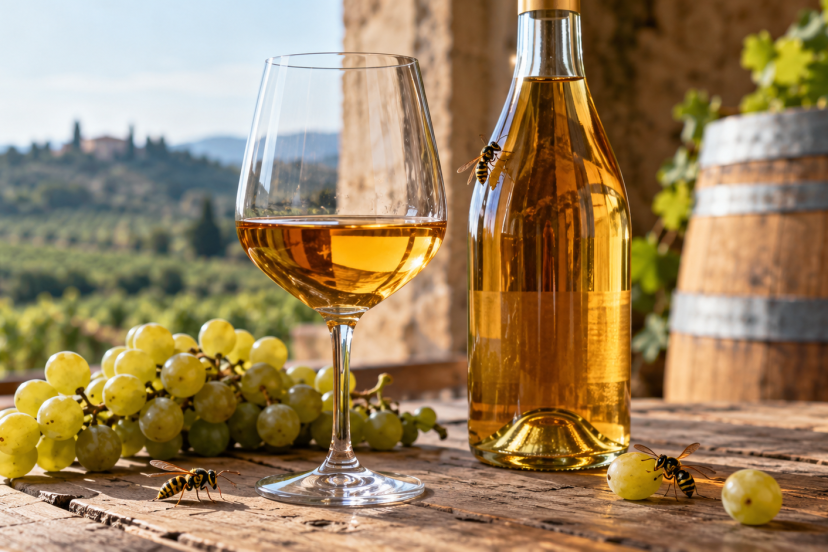
Wasp wine sounds like something invented purely for shock value, but the story behind it is far more interesting. The term is generally used to describe alcoholic beverages containing whole wasps or extracts from wasps, particularly traditional preparations found in parts of Asia. Depending on the region and producer, these drinks may also be described as wasp liquor, wasp sake, or insect-infused alcohol.
But there is another reason wasps and wine belong in the same conversation. Researchers have discovered that social wasps can carry important wine yeasts, including Saccharomyces cerevisiae, through vineyards. These insects may even help yeast survive from one growing season to the next.
That means the relationship between wasps and wine goes well beyond dropping an insect into a bottle.
This guide explains what wasp wine is, where the tradition comes from, what it may taste like, whether it is safe, and how wasps contribute to the natural ecology of winemaking.
“Social wasps can harbor a significant fraction of the yeast phenotypic diversity of a given area of wine production.”
— Scientific Reports, research on wasps and vineyard yeast ecology
Key Takeaways
- Wasp wine usually refers to alcohol infused with wasps, rather than a conventional grape wine variety.
- It is most strongly associated with traditional or regional preparations in parts of Asia, including Japan.
- Claims that wasp-infused drinks improve strength, circulation, energy, or other health conditions are largely traditional beliefs rather than established medical facts.
- People with allergies to wasp or hornet venom should be especially cautious because potentially serious allergic reactions are possible.
- Wasps also have a legitimate scientific connection to ordinary wine: they can carry yeasts associated with grape fermentation.
- Research suggests social wasps may act as natural reservoirs and vectors for vineyard microorganisms, contributing to microbial biodiversity.
- Commercially produced wine is very different from homemade insect-infused alcohol and generally provides far greater consistency and quality control.
Four Useful Products for Wine Enthusiasts
Instead of attempting to make insect-infused alcohol at home, wine drinkers interested in experimenting with flavor and serving techniques can get far more practical use from established wine accessories.
1. Vinturi Red Wine Aerator

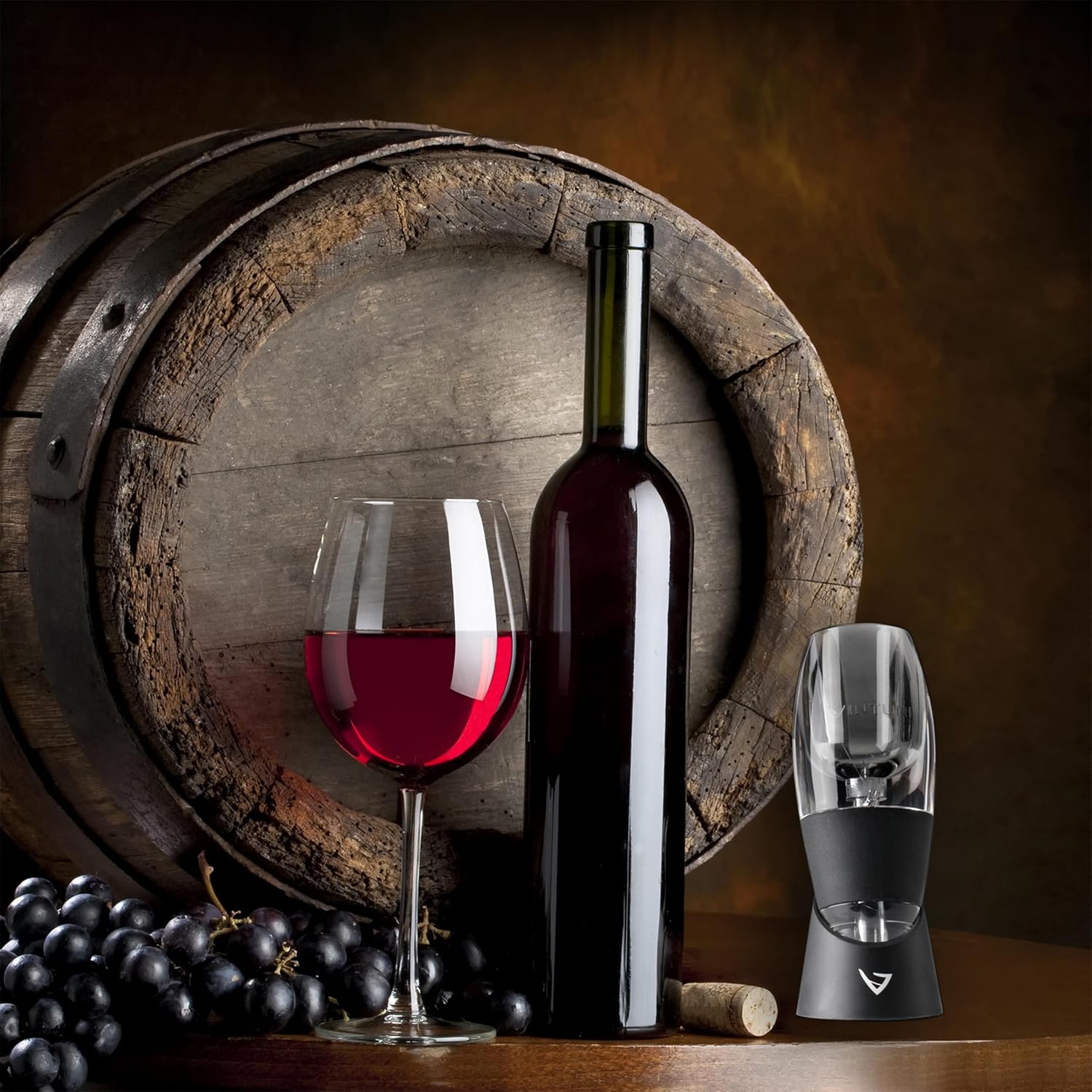
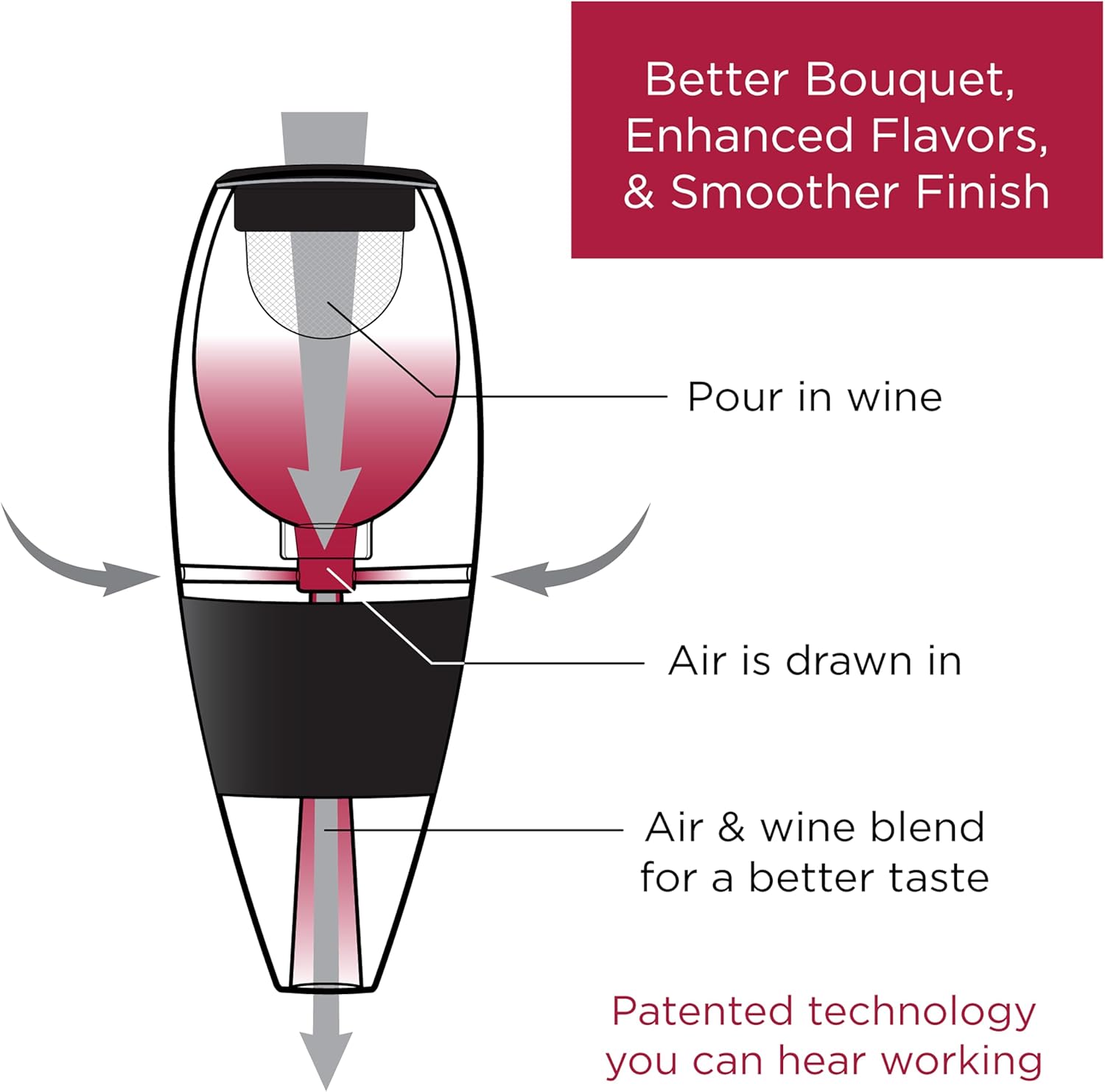
The Vinturi Wine Aerator Pourer is designed to aerate red wine instantly as you pour, helping enhance its aroma, flavor, and overall smoothness without the long wait of traditional decanting. Its patented internal design increases the wine’s velocity while lowering pressure, drawing in the right amount of air to open up the wine in seconds.
- Fast Aeration: Opens up red wine in seconds instead of requiring extended decanting time.
- Built-In Filter: Helps catch cork pieces and sediment while pouring.
- Easy to Use: Simple handheld design works well for individual glasses or an entire bottle.
- Requires Two-Handed Pouring: You need to hold the aerator over the glass while pouring from the bottle.
- Best for Red Wine: The design is specifically optimized for red wines rather than all wine styles.
- Needs Cleaning After Use: The internal aeration chamber and screen should be rinsed thoroughly after pouring.
The Vinturi aerator is designed to increase a wine’s exposure to air as it is poured.
Aeration can soften the perception of tannins and help aromatic compounds become easier to detect, particularly in younger red wines.
It is useful for drinkers who want some of the benefits of decanting without waiting for an entire bottle to breathe.
Best for: Cabernet Sauvignon, Syrah, Malbec and other structured reds.
2. Vacu Vin Wine Saver


The Vacu Vin Wine Saver presents an innovative solution for preserving your wine, ensuring each pour is as fresh and delightful as the first. Crafted in the Netherlands, this wine preservation system boasts a cone-shaped plastic stopper designed to fit snugly into your opened bottle. With an air removal system, it extracts air from the bottle, staving off oxidation and extending the wine's freshness. Simple to use, the process involves inserting the stopper and pumping until the patented "click" confirms an airtight seal. This eco-friendly and cost-effective method is ideal for wine enthusiasts aiming to savor their collection over extended periods.
- Wine Preservation: Keeps opened bottles fresh by preventing oxidation, ensuring wine stays enjoyable.
- Simple Operation: Easy-to-use system, with a "click" signal confirming an airtight seal.
- Eco-Friendly: Reusable wine stoppers offer a sustainable and cost-effective solution.
- Material Limitation: Made of plastic, might not suit preferences for more traditional or upscale materials.
- Dishwasher Unsuitability: Not dishwasher safe, requiring manual cleaning, which might be inconvenient for some users.
- Compatibility Consideration: Might not fit all bottle types due to its specific cone-shaped design.
The Vacu Vin Wine Saver uses a small hand pump and reusable stopper to remove some air from an opened bottle.
Reducing oxygen exposure can help slow the changes that occur after wine is opened.
It is particularly useful for people who drink one or two glasses rather than finishing an entire bottle.
Best for: Everyday wine drinkers looking for a simple preservation tool.
3. Coravin Pivot Wine Preservation System


The Coravin Limited Edition Wine Preservation System offers wine lovers the ability to pour and enjoy wine without ever pulling the cork. Its sleek steel blue finish and exclusive collectible design make it a standout addition to any wine enthusiast’s collection. The system uses ultra-pure argon gas capsules to keep wine fresh for years while the specially designed Teflon-coated needle ensures smooth and gentle pouring. This bundle includes 4 Coravin argon capsules, each delivering up to 15 glasses of wine, making it an exceptional choice for both new and experienced wine lovers.
- Premium Design: Stylish limited-edition steel blue finish with collectible appeal.
- Smooth Pouring: Teflon-coated needle ensures quick, gentle wine service.
- Long-Lasting Preservation: Ultra-pure argon gas keeps wine fresh for years.
- Pricey Bundle: Higher cost compared to standard Coravin models.
- Limited Customization: Only available in steel blue finish.
- Requires Specific Capsules: Needs Coravin argon capsules for operation.
For drinkers who frequently open better bottles but do not finish them immediately, a preservation system such as the Coravin Pivot offers another approach.
The system is designed to reduce oxidation after pouring and extend the useful life of opened wine.
It can be especially convenient when comparing several wines at once or pairing different wines with different courses.
Best for: Wine enthusiasts who regularly keep multiple bottles open.
4. Rabbit Wine Aerator and Pourer

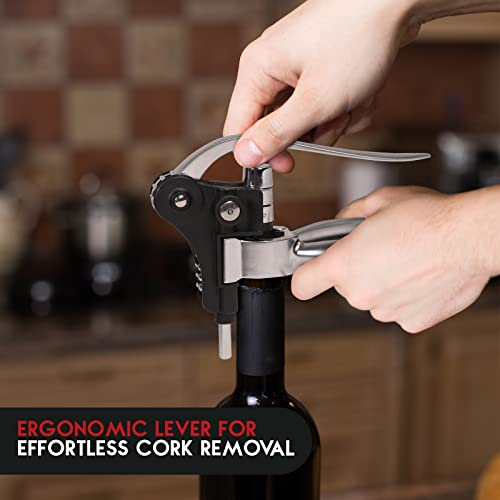

The Heavy-Duty Rabbit Wine Opener with 2 Stainless Steel Ice Cubes by Setoris, is an innovative wine accessory set combines functionality with elegance, making it a must-have for any wine enthusiast. The set includes a sturdy winged corkscrew with an ergonomic lever for effortless cork removal, spare corkscrew spirals, a wine aerator pourer, a vacuum stopper, and a foil cutter. Additionally, it comes with two reusable stainless steel ice cubes, ensuring your drinks stay chilled without dilution. Available in both stainless steel and bronze finishes, these premium wine openers are built to last, making them the perfect gift for any occasion.
- Effortless Cork Removal: The sturdy build and ergonomic lever ensure smooth cork removal without risk.
- Complete Wine Accessory Set: This set enriches your wine experience with extras like spare corkscrews, a wine aerator, and stainless steel ice cubes, all included in one package.
- Durable Construction: Crafted from durable stainless steel or bronze, these wine openers promise a lifetime of rust-free enjoyment.
- Weight: At 2.3 pounds, this wine opener's weight might pose inconvenience for some users, particularly during prolonged use.
- Size: The 10.5"L x 8.5"W size may need extra storage space, which might be inconvenient for users with limited storage.
- Non-Customizable: The product is not customizable, limiting personalization options for those seeking a unique touch for their wine accessories.
The Rabbit Wine Aerator combines controlled pouring with aeration in a compact design.
It is simple to attach to a bottle and can make serving cleaner while introducing additional air into the wine.
The straightforward design makes it a useful choice for casual dinners and home tastings.
Best for: Beginners wanting an uncomplicated aerating pourer.
What Is Wasp Wine?
Wasp wine is an alcoholic beverage in which wasps have been intentionally introduced into alcohol.
Despite the name, the base liquid does not always meet the traditional definition of wine made from fermented grapes. Some preparations use stronger distilled spirits or rice-based alcohol instead.
Whole insects may remain visible inside the container during aging, giving wasp wine its striking appearance.
Historically, insect-infused alcoholic preparations have sometimes been consumed as folk remedies or regional specialties. Wasps, hornets, snakes, herbs, roots, and other unusual ingredients have all been incorporated into traditional alcoholic infusions in different parts of the world.
Modern curiosity surrounding wasp wine is driven partly by its unusual appearance, although the cultural traditions behind such beverages are considerably older than today’s social-media fascination.
Where Does Wasp Wine Come From?
Wasp-infused alcohol is most commonly associated with parts of East Asia.
Japan is frequently mentioned in connection with wasp or hornet-based alcoholic beverages, particularly in rural and mountainous areas where insects have historically been collected as food or used in traditional preparations.
Some versions involve large hornets rather than the smaller wasps familiar to many people in North America.
In other regions of Asia, insect-infused spirits also exist as part of folk medicine traditions. These drinks may be prepared using locally available high-proof alcohol.
It is important, however, not to treat “wasp wine” as one standardized recipe or beverage category.
There is no universal wasp wine production method comparable to the regulated systems used for Champagne, Bordeaux, Bourbon, or Scotch whisky.
Ingredients, insects, alcohol strength, aging period, preparation methods, and safety controls can vary dramatically.
How Is Wasp Wine Traditionally Made?
Traditional preparation usually involves placing whole wasps or hornets into a container filled with alcohol.
The insects remain submerged while the mixture ages.
Over time, alcohol acts as a solvent, extracting compounds from biological material inside the container. The finished beverage can develop flavors and aromas very different from conventional wine.
However, consumers should distinguish cultural descriptions of the process from scientifically validated manufacturing practices.
Homemade alcohol containing insects may lack controls for sanitation, alcohol concentration, species identification, contamination, and allergens.
For that reason, attempting to produce wasp wine at home is difficult to recommend from a safety perspective.
What Does Wasp Wine Taste Like?
There is no single flavor profile for wasp wine.
Descriptions often depend on the type of alcohol used, the insect species, aging time, additional ingredients, and preparation method.
Possible characteristics include:
- bitter flavors
- earthy or herbal notes
- noticeable alcoholic heat
- savory or unusual aromas
- lingering medicinal qualities
A strong distilled alcohol base can dominate the flavor considerably.
This is another reason the word “wine” can be misleading. Someone expecting something resembling Pinot Noir, Chardonnay, Riesling, or Sauvignon Blanc may encounter an entirely different drinking experience.
Is Wasp Wine Actually Wine?
Not necessarily.
Traditional wine is generally produced by fermenting grape juice. Yeast converts sugars naturally present in grapes into ethanol and carbon dioxide.
Many products described as wasp wine are instead infusions made by placing insects into already fermented or distilled alcohol.
Technically, describing them as “wasp liquor” or “wasp-infused alcohol” may therefore be more accurate in many cases.
The terminology varies according to translation, region, and local tradition.
Why Would Anyone Drink Wasp Wine?
Historically, unusual animal- and plant-infused alcoholic drinks have often been connected to traditional medicine.
Wasp alcohol has sometimes been associated with claims involving:
- increased energy
- physical strength
- circulation
- stamina
- joint comfort
- general vitality
These traditions may be culturally important, but traditional use is not the same thing as clinical evidence.
There is currently limited scientific evidence showing that drinking wasp-infused alcohol produces specific therapeutic benefits.
Consumers should therefore avoid treating wasp wine as a medical treatment.
Is Wasp Wine Safe?
This is one of the most important questions surrounding the beverage.
Scientific research into the safety of consuming alcohol infused with whole wasps is limited. Because preparations differ enormously, it is difficult to make broad safety claims.
Wasp and Hornet Allergies
The largest concern involves allergies.
People allergic to wasp, bee, or hornet venom can develop severe reactions after exposure. In serious cases, insect venom allergies can cause anaphylaxis.
Anyone with a known insect-sting allergy should avoid experimenting with insect-infused beverages unless specifically advised otherwise by a qualified medical professional.
Homemade Production
Homemade preparations introduce additional uncertainty.
Potential concerns include:
- incorrect insect identification
- microbial contamination
- inconsistent alcohol concentration
- improper storage
- unknown extraction of biological compounds
- interactions with added herbs or ingredients
Commercial production typically offers better control over ingredients and sanitation than unregulated homemade preparations.
Alcohol Itself
Wasp wine is still an alcoholic drink.
Regardless of whether insects are involved, consuming excessive alcohol carries well-established health risks.
The presence of a traditional ingredient does not make an alcoholic beverage inherently healthier.
The Unexpected Relationship Between Wasps and Ordinary Wine
Here is where the story becomes scientifically fascinating.
Even if you never drink wasp-infused alcohol, wasps may already have played an indirect role in wines you have enjoyed.
Wine fermentation depends heavily on microorganisms, especially yeast.
One of the most important species is Saccharomyces cerevisiae, commonly called brewer’s or baker’s yeast. Various strains of this species participate in alcoholic fermentation.
But yeast needs somewhere to survive when grapes disappear after harvest.
Research suggests social wasps may provide part of the answer.
Wasps Can Carry Wine Yeast
Scientists have found Saccharomyces cerevisiae living within the intestines of social wasps.
Wasps feed on ripe fruits, including grapes, where they encounter naturally occurring microorganisms.
Yeasts can survive inside their digestive systems and potentially move between fruits and vineyard locations.
One study examining wasps and local S. cerevisiae populations found that the insects contained considerable yeast diversity, suggesting they may help preserve local yeast populations.
This creates a remarkable ecological relationship involving grapes, insects, microorganisms, and fermentation.
Wasps May Help Yeast Survive the Winter
Grapevines do not produce ripe grapes throughout the entire year.
So where does fermentation yeast go between harvests?
Social wasps may function as biological shelters.
Research indicates that some wine-associated yeasts can survive inside wasps during periods when ripe fruit is unavailable. The microorganisms can later return to the environment when insects begin feeding on fruits again.
This gives wasps a potentially important role in maintaining vineyard microbial ecosystems.
Wasps Can Transfer Yeast to Grapes
Researchers have gone beyond simply finding yeast inside insects.
A 2023 study published in Scientific Reports investigated whether social wasps could deliberately distribute a traceable strain of S. cerevisiae onto grapes.
Researchers fed wasps a selected yeast strain and subsequently released them into controlled vineyard environments.
The yeast strain was later detected on grapes exposed to the treated wasps, demonstrating that wasps were capable of transferring yeast to fruit.
The research raises interesting possibilities for sustainable viticulture and vineyard biodiversity.
Wasps and Wine Terroir
Wine enthusiasts frequently talk about terroir, a term describing how a wine reflects its growing environment.
Soil, climate, elevation, sunlight, grape variety, vineyard practices, and geography all contribute.
Increasingly, scientists are also investigating microbial terroir.
Different vineyards contain different communities of microorganisms, including yeasts and bacteria. Those organisms can influence fermentation and potentially affect aromatic compounds and flavor.
If wasps transport locally adapted yeast populations around vineyards, they may indirectly contribute to maintaining regional microbial diversity.
Researchers have even explored the possibility of using social wasps to restore or preserve grape-associated microbial communities.
New Research on Wasps and Winemaking
Research published in 2025 strengthened this connection.
Scientists studying social wasps in Tuscan vineyards identified 20 yeast species belonging to 10 genera.
Importantly, yeast strains found on grapes were also detected in wasps collected from the same vineyards.
The researchers concluded that social wasps can function as both reservoirs and vectors for vineyard yeasts. They also studied certain non-Saccharomyces yeasts for their potential role in protecting grapes from undesirable microorganisms.
This suggests wasps may eventually have applications extending beyond basic ecological research.
Could Wasps Become Part of Sustainable Winemaking?
Possibly.
Modern wineries often use commercially selected yeast strains because they create predictable fermentations.
That consistency is valuable, but widespread reliance on a small number of selected strains could potentially reduce the diversity of naturally occurring vineyard microorganisms.
Researchers are therefore studying methods for preserving local microbial ecosystems.
One intriguing possibility is using insects such as social wasps as natural microbial carriers.
The 2023 Scientific Reports experiment demonstrated that wasps could distribute a selected yeast strain onto grapes. Researchers proposed that these interactions could potentially support microbial biodiversity and vineyard “rewilding.”
This field is still developing, but it could eventually influence organic and low-intervention viticulture.
Wasp Wine vs. Traditional Wine
The distinction between wasp wine and ordinary wine is important.
Traditional grape wine relies on fermentation. Grapes provide sugars, and yeast transforms those sugars into alcohol.
Wasp-infused alcoholic beverages generally involve placing insects into an existing alcoholic base.
Ironically, the most scientifically important connection between wasps and wine may therefore have nothing to do with insect-infused beverages.
Wasps appear to help maintain and transport some of the microorganisms responsible for fermentation itself.
In that sense, wasps may have been quietly contributing to wine culture long before humans understood microorganisms existed.
The Future of Wasps in Wine Research
Modern microbiology is revealing that vineyards are complex ecosystems.
Grapes, vines, soil organisms, insects, fungi, bacteria, weather and human vineyard practices interact continuously.
Social wasps appear to be part of that network.
Scientists are now investigating whether naturally occurring insects could help wineries preserve microbial diversity, transport beneficial organisms and possibly reduce dependence on certain interventions.
That does not mean vineyards will soon be intentionally filled with wasps.
It does show, however, that organisms once considered little more than vineyard pests can have surprising ecological value.
Future research may provide an even clearer understanding of how insects influence fermentation, wine aroma and regional microbial characteristics.
Final Thoughts
Wasp wine occupies an unusual intersection of tradition, curiosity and science.
As a beverage, the term usually refers to alcohol infused with wasps or hornets, often based on regional traditions rather than conventional grape winemaking.
Its claimed health benefits remain largely unsupported by rigorous clinical evidence, and anyone with insect-venom allergies should approach such products with particular caution.
The more fascinating story may actually be occurring outside the bottle.
Scientific research has shown that social wasps can harbor wine-related yeasts, preserve microbial diversity and transfer yeast organisms to grapes. Researchers are even investigating their potential use in sustainable viticulture.
So while drinking wasp-infused alcohol will remain an unusual experience for most people, the relationship between wasps and wine may be far more important than the novelty beverage suggests.
The next time a wasp appears around ripe grapes, it may not simply be looking for something sweet.
It could also be carrying part of the microscopic ecosystem that makes wine possible.
Frequently Asked Questions
1. What is wasp wine?
Wasp wine generally refers to an alcoholic beverage infused with whole wasps or hornets. Depending on the country and preparation, the base may be rice alcohol, distilled spirits or another alcoholic drink. Despite the name, it is not necessarily wine produced through grape fermentation.
2. Is wasp wine safe to drink?
Safety depends heavily on how the beverage was manufactured. Research specifically evaluating wasp-infused alcohol is limited, and homemade preparations may introduce additional risks. People with known wasp, hornet or other insect-venom allergies should be particularly cautious because severe allergic reactions can occur following exposure to insect allergens.
3. Does wasp wine have health benefits?
Traditional cultures have sometimes associated insect-infused alcoholic beverages with energy, strength, circulation or general vitality. However, these traditional claims should not be interpreted as scientifically proven medical benefits. There is currently insufficient clinical evidence to recommend wasp wine for treating health conditions.
4. Do wasps really help make wine?
Indirectly, yes. Researchers have discovered that social wasps can carry Saccharomyces cerevisiae and other yeasts associated with vineyards. Wasps can help these microorganisms survive and move between environmental locations, including grapes. Experiments have demonstrated that wasps can transfer identifiable yeast strains onto grape surfaces.
5. Why are wasps attracted to grapes and wine?
Wasps are attracted to sugar-rich foods, especially ripe and damaged fruits. Grapes become increasingly attractive as their sugar concentration rises during ripening. Fermenting fruit can also produce volatile compounds that attract insects. When wasps feed on grapes and other fruit, they encounter yeasts and other microorganisms, helping explain the close ecological relationship researchers have discovered between wasps and fermentation.