Wine Pairing With Pasta: A Complete Guide
Post Disclaimer
*We may earn a commission for purchases made using our links. Please see our disclosure to learn more.
There’s something special about sitting down to a comforting plate of pasta with a perfectly paired glass of wine. Whether it’s a simple spaghetti marinara, a rich and creamy fettuccine Alfredo, or a hearty homemade lasagna, the right wine can bring out the best flavors in every bite.
However, finding the perfect wine pairing with pasta isn’t always straightforward. With countless pasta recipes, sauces, and wine varieties available, knowing where to begin can feel overwhelming.
Should you serve red or white wine with pasta? Does Chardonnay complement creamy Alfredo sauce? And which wine works best with spaghetti Bolognese?
The answer usually depends more on the sauce and ingredients than on the pasta itself.
A tomato-based sauce benefits from wines with refreshing acidity, while creamy dishes often work beautifully with fuller-bodied whites. Seafood pasta calls for lighter, fresher wines, whereas hearty meat sauces can stand up to more structured reds.
Understanding these simple principles makes choosing wine much easier.
This complete guide explores the best wines for popular pasta dishes, essential pairing techniques, recommended wine accessories, and practical serving tips to help you create a memorable dining experience.
“The wine is bottled poetry.”
— Robert Louis Stevenson, The Silverado Squatters (1883), Chapter III, “Napa Wine.”
Key Takeaways
-
01
Pair Wine With the Sauce
The sauce matters more than the pasta shape. Consider its acidity, richness, and ingredients when choosing the perfect wine.
-
02
Tomato Sauces Love Acidity
Tomato-based pasta pairs beautifully with high-acidity red wines like Chianti, Sangiovese, and Barbera.
-
03
Creamy Pasta Suits White Wine
Chardonnay, Pinot Grigio, and dry sparkling wines complement creamy sauces while balancing their buttery richness.
-
04
Seafood Needs Crisp Wines
Seafood pasta pairs best with refreshing white wines such as Albariño, Vermentino, and Sauvignon Blanc.
-
05
Meat Sauces Favor Richer Reds
Hearty dishes like Bolognese and lasagna pair well with medium- to full-bodied reds, including Sangiovese and Montepulciano.
-
06
Balance Body and Flavor
Match the wine’s body, acidity, and tannins to the intensity of the dish. Delicate pasta needs lighter wines.
-
07
Personal Preference Matters Most
Wine pairing guidelines are helpful starting points, but the best combination is ultimately one you enjoy. Experiment with different wines to discover your favorite pasta pairings.
Four Recommended Wine Accessories for Pasta Dinners
A successful pasta and wine experience also depends on how you open, serve, and preserve your wine.
These four accessories can make wine service easier and more enjoyable, whether you’re hosting guests or preparing dinner at home.
1. Riedel Vinum Cabernet Sauvignon/Merlot Wine Glasses


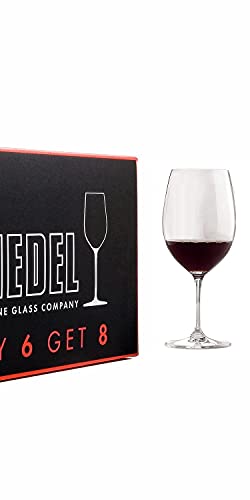
Elevate your wine experience with the Riedel Bordeaux Glasses, a collection of 8 exquisite clear glasses designed to add sophistication to your celebrations. Crafted from high-quality glass, each glass boasts a generous 610ml capacity, perfect for enhancing the visual allure and aroma of Bordeaux wines. The glasses are meticulously crafted to elevate the ambiance of special occasions, particularly suited for anniversary celebrations. Additionally, their non-slip feature ensures a secure grip, offering stability and comfort as you toast to memorable moments.
- Elegant Bordeaux Design: Specifically crafted to enhance the Bordeaux wine experience.
- Generous Capacity: Each glass holds 610ml, catering to wine enthusiasts' generous servings.
- Non-Slip Stability: Ensures a steady hold, adding security during celebratory moments.
- Limited Versatility: Tailored for Bordeaux wine, might not suit diverse wine preferences.
- Set Size Excess: A set of 8 glasses might be too many for those requiring fewer glasses or diverse styles.
- Glass Fragility: Being glassware, they may be more susceptible to breakage than alternative materials.
A quality wine glass provides enough room to swirl the wine and appreciate its aromas.
The Riedel Vinum Cabernet Sauvignon/Merlot glasses feature a generous bowl designed for fuller-bodied red wines.
They’re particularly suitable for serving Merlot or other structured reds alongside hearty pasta dishes such as lasagna, beef ragù, and sausage rigatoni.
The crystal construction gives them an elegant appearance, making them appropriate for both special occasions and everyday entertaining.
Ideal for: Red wine enthusiasts who frequently enjoy hearty pasta.
2. OXO Steel Double Lever Waiter’s Corkscrew
Opening wine should be simple, especially when you’re busy preparing dinner.
The OXO Steel Double Lever Waiter’s Corkscrew combines a compact design with a two-stage lever mechanism that helps remove corks smoothly.
Its integrated foil cutter and non-slip handle make it a practical everyday accessory.
It’s especially convenient for home cooks who want a dependable corkscrew without bulky equipment.
Ideal for: Everyday wine service and casual dinner parties.
3. Vintorio Wine Aerator Pourer

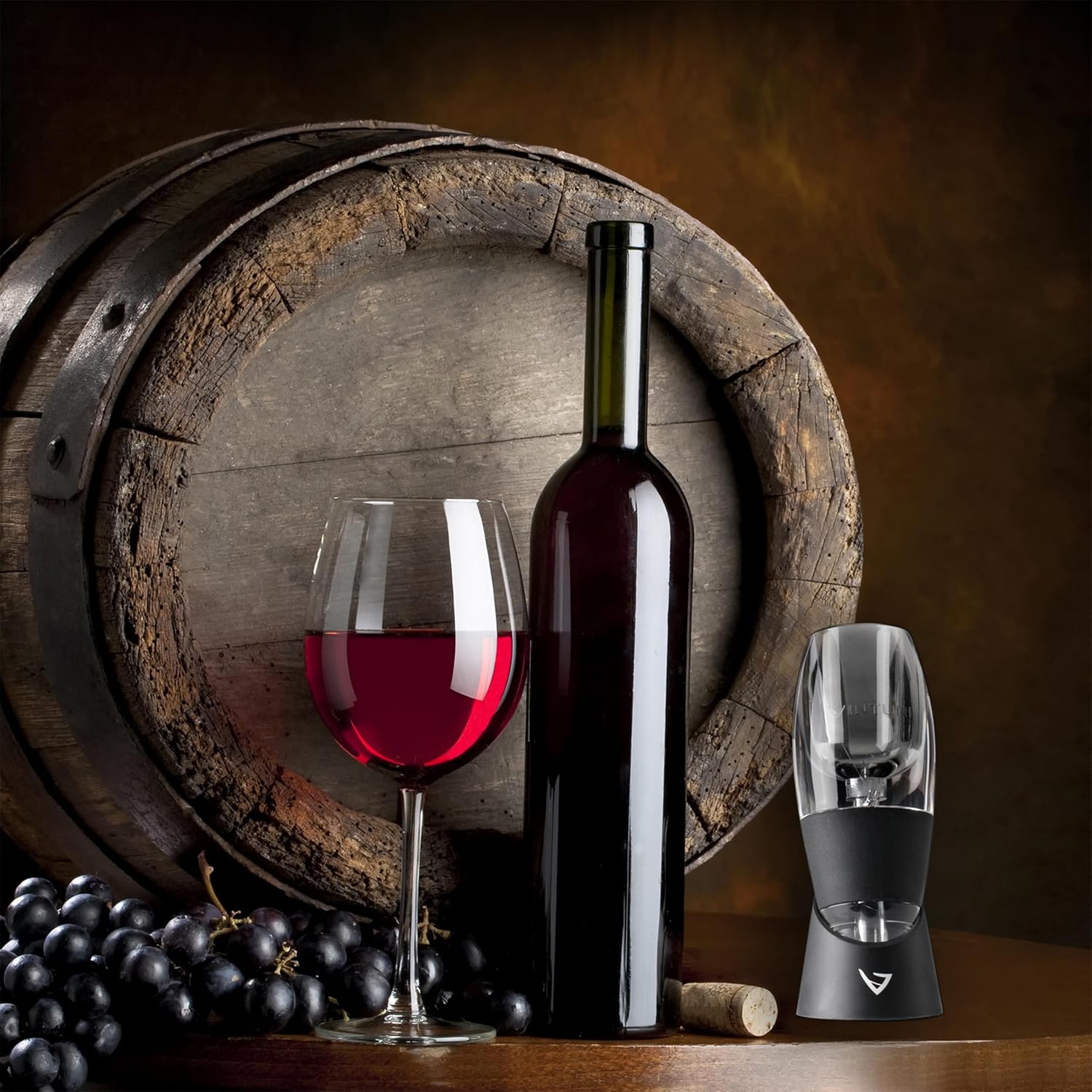
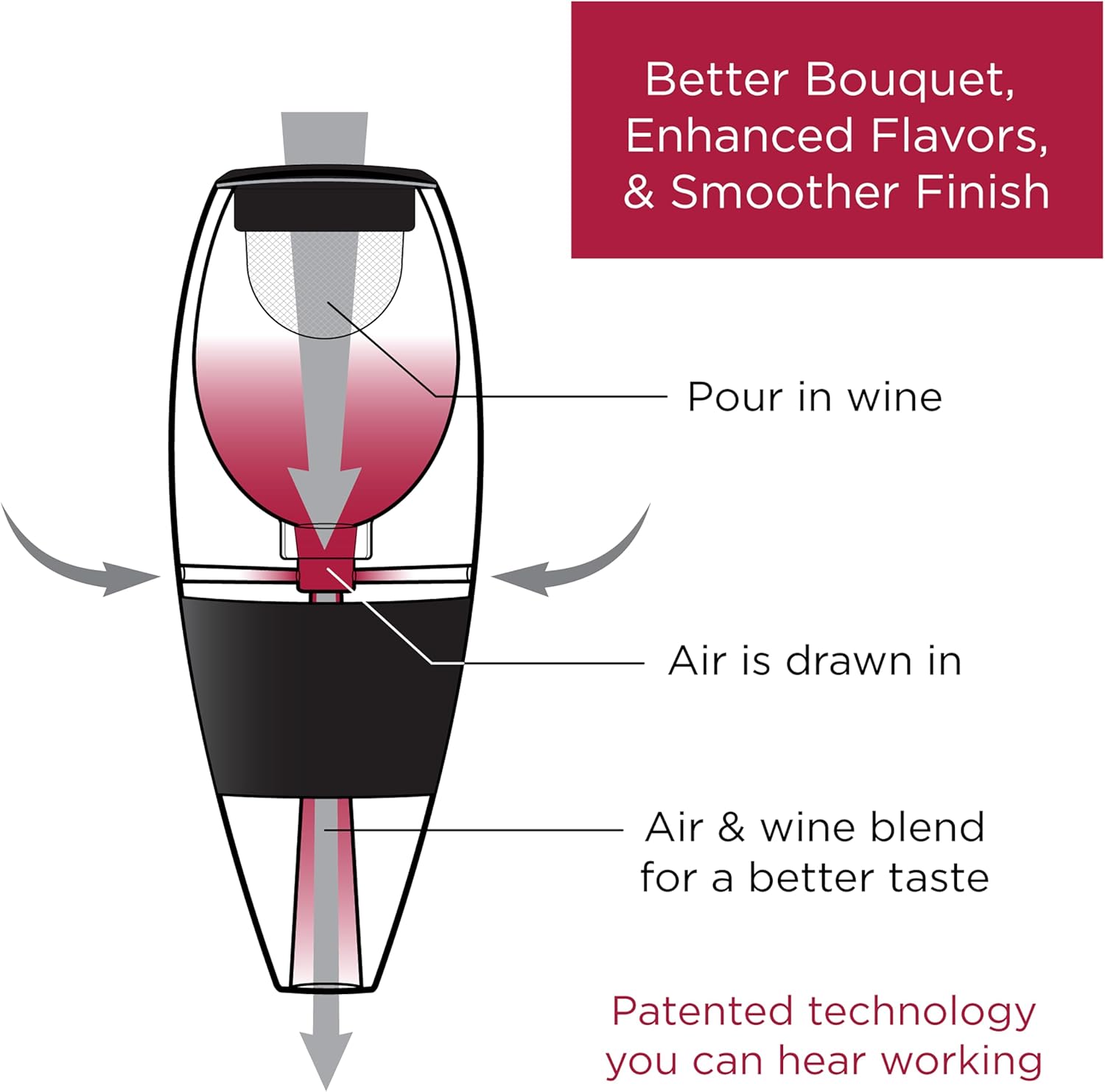
The Vinturi Wine Aerator Pourer and Decanter is designed to enhance the aroma and flavor of red wines through its patented aeration technology. By drawing air into the wine as it flows through the device, it allows you to aerate each glass in seconds without waiting for traditional decanting. Made from specially formulated acrylic with an easy-to-grip silicone body, it includes a sediment screen to filter cork particles and a no-drip base for convenient storage. Its distinctive aeration sound signals the airflow process, making it a practical accessory for wine enthusiasts and dinner gatherings.
- Instant Aeration: Aerates red wine in seconds while pouring.
- Patented Technology: Helps develop wine aromas and flavors through controlled airflow.
- Convenient Accessories: Includes a sediment screen and no-drip base.
- Red Wine Focus: Specifically designed for red wines rather than all wine varieties.
- Audible Operation: Produces a noticeable sound during aeration.
- Manual Pouring: Requires holding the aerator while pouring wine.
Some young red wines benefit from exposure to air before drinking.
The Vintorio Wine Aerator Pourer introduces air into the wine as it’s poured, potentially helping certain wines develop more expressive aromas.
Its bottle-mounted design makes it convenient for serving wine without a separate decanter.
This can be useful when opening a youthful red to accompany meat lasagna or slow-cooked Bolognese.
Aeration isn’t necessary for every bottle, and delicate older wines may require gentler handling.
Ideal for: Wine drinkers who regularly enjoy youthful, structured reds.
4. Vacu Vin Original Wine Saver


Vacu Vin Wine Saver Vacuum Stoppers, crafted from high-quality food-grade rubber, aim to preserve your wine's flavor for up to a week. Designed to partner seamlessly with the Vacu Vin Wine Saver Pump, these stoppers offer a universal fit for all bottles, ensuring an airtight vacuum upon insertion into an opened wine bottle neck. Their durability withstands dishwashing for convenient cleaning, promising years of reliable use. Even without the Vacu Vin Wine Saver Pump, these stoppers function as traditional seals, effectively maintaining wine freshness for an extended duration. With over 30 years of industry leadership, Vacu Vin is a trusted brand known for innovative barware accessories and kitchen gadgets.
- Preserves Flavor: Effectively keeps wine fresh for up to a week, maintaining its taste and aroma.
- Universal Fit: Designed to fit all types of bottles, ensuring an airtight seal for extended preservation.
- Dishwasher Safe: Crafted from durable, food-grade rubber that's dishwasher safe for easy maintenance.
- Dependent on Specific Pump: Optimal functionality is achieved when used with the Vacu Vin Wine Saver Pump; might not perform the same without it.
- Material Dependency: Made of rubber, which may wear over time and with prolonged use.
- Compatibility Limitation: While suitable for most bottles, compatibility might vary with unconventional bottle shapes or sizes.
Not every pasta dinner requires finishing an entire bottle of wine.
The Vacu Vin Original Wine Saver uses a reusable stopper and vacuum pump to remove some air from an opened bottle, helping slow oxidation.
This makes it particularly practical for households that enjoy a glass of wine with dinner but want to save the remainder.
After sealing the bottle, refrigerate it to help maintain freshness. The device slows deterioration but doesn’t stop it completely.
Ideal for: Casual wine drinkers who want to preserve leftover wine.
Understanding the Basics of Wine Pairing With Pasta
Successful wine pairing is about creating harmony between food and wine. Neither should overpower the other, and ideally, each should enhance the other’s flavors.
Before choosing a bottle, consider these four essential factors.
1. The Sauce Determines the Pairing
Pasta has a relatively neutral flavor, meaning the sauce usually plays the biggest role in determining which wine works best.
Tomato sauces are naturally acidic. Cream sauces are rich and buttery. Pesto introduces herbal notes, while meat ragù adds savory depth.
For example, spaghetti with marinara sauce pairs beautifully with Chianti, but spaghetti with clams may taste better alongside Vermentino.
Even though both dishes use the same pasta, their sauces require different approaches.
2. Acidity Creates Balance
Acidity is one of the most important elements in food and wine pairing.
Wines with higher acidity create a refreshing sensation that helps balance rich, salty, or tangy foods.
Tomato-based dishes particularly benefit from high-acidity wines because the wine needs enough freshness to complement the sauce.
Chianti, Barbera, and Sauvignon Blanc are examples of wines known for their lively acidity.
3. Match the Wine’s Body to the Dish
Wine body refers to how light or heavy the wine feels in your mouth.
Light-bodied wines generally pair well with delicate dishes, while fuller-bodied wines can complement richer meals.
A delicate shrimp linguine, for example, may be overwhelmed by a powerful Cabernet Sauvignon. Meanwhile, a light Pinot Grigio might lack the intensity needed for a deeply flavored beef ragù.
Aim for a balance between the weight of the food and the wine.
4. Consider Tannins and Flavor Intensity
Tannins are compounds found primarily in red wines that create a drying sensation in the mouth.
Moderate tannins can work well with protein-rich meat dishes, while highly tannic wines may taste harsh alongside spicy or delicate pasta preparations.
Also consider strong ingredients such as garlic, chili, Parmesan, mushrooms, and fresh herbs. These can significantly influence the ideal pairing.
Quick Wine Pairing With Pasta Chart
Use this reference table when planning your next pasta dinner.
| Pasta dish | Best wine pairing | Alternative |
|---|---|---|
| Spaghetti marinara | Chianti | Barbera |
| Spaghetti Bolognese | Sangiovese | Montepulciano |
| Fettuccine Alfredo | Chardonnay | Pinot Grigio |
| Spaghetti carbonara | Verdicchio | Chardonnay |
| Pesto linguine | Vermentino | Sauvignon Blanc |
| Shrimp scampi pasta | Albariño | Pinot Grigio |
| Mushroom tagliatelle | Pinot Noir | Chardonnay |
| Penne arrabbiata | Barbera | Dry rosé |
| Meat lasagna | Chianti Classico | Montepulciano |
| Cacio e pepe | Soave | Verdicchio |
These recommendations provide a reliable starting point, but the ideal selection may change depending on seasoning, cooking methods, and individual wine styles.
Best Wine With Tomato-Based Pasta
Tomato-based pasta dishes are among the most versatile and beloved Italian meals.
Popular examples include spaghetti marinara, penne al pomodoro, and tomato-based baked ziti.
The primary challenge when pairing wine with tomatoes is their natural acidity.
A wine with insufficient acidity may taste dull or overly soft next to a tangy tomato sauce.
Recommended Wines
Chianti is one of the most dependable choices. Produced primarily from Sangiovese grapes, it offers refreshing acidity, red cherry flavors, and savory notes that complement tomatoes beautifully.
Barbera is another excellent option, particularly for dishes featuring garlic, olive oil, or grated Parmesan.
Montepulciano d’Abruzzo also works well, especially when the sauce contains additional vegetables or has a richer texture.
Best Pairing
Spaghetti marinara with Chianti Classico.
The wine’s acidity complements the tomatoes, while its fruity and savory characteristics enhance the overall dish.
For lighter tomato sauces, choose a youthful red with minimal oak influence.
Best Wine With Creamy Pasta
Creamy pasta dishes require a different pairing strategy because butter, cheese, and cream create richness rather than pronounced acidity.
Popular dishes include fettuccine Alfredo, creamy chicken pasta, and Parmesan cream sauces.
The ideal wine should either complement the sauce’s texture or provide refreshing contrast.
Recommended Wines
Chardonnay is an excellent option, especially when it offers balanced acidity and restrained oak flavors.
Its rounded texture complements creamy sauces, while its freshness prevents the combination from becoming too heavy.
Pinot Grigio is a lighter alternative that brings citrus notes and crisp acidity.
Dry sparkling wine also works particularly well with rich pasta because the bubbles and acidity refresh the palate.
Best Pairing
Fettuccine Alfredo with lightly oaked Chardonnay.
The wine’s texture complements the buttery sauce without overwhelming the dish.
For extra-rich preparations, a crisp sparkling wine offers a refreshing alternative.
Best Wine With Seafood Pasta
Seafood pasta often features shrimp, clams, mussels, scallops, or crab combined with garlic, olive oil, lemon, and fresh herbs.
These ingredients generally benefit from wines that are crisp, refreshing, and not overly tannic.
Recommended Wines
Albariño is an excellent choice for seafood pasta because of its bright acidity, citrus flavors, and subtle saline character.
Vermentino is especially appealing with Mediterranean-style seafood dishes containing garlic and olive oil.
Pinot Grigio provides a lighter, approachable option, while Sauvignon Blanc can complement recipes featuring lemon and fresh herbs.
Best Pairing
Linguine with clams, garlic, and olive oil paired with Vermentino.
The wine’s refreshing character complements the delicate seafood while balancing the richness of the olive oil.
For seafood pasta featuring tomatoes, consider a dry rosé or light-bodied red with lively acidity.
Best Wine With Meat-Based Pasta
Rich pasta dishes containing beef, pork, sausage, or slow-cooked ragù generally require wines with more structure and flavor intensity.
The combination of meat, tomatoes, herbs, and cheese creates layers of savory richness.
Recommended Wines
Sangiovese is particularly versatile because it offers acidity, savory complexity, and moderate tannins.
Chianti Classico is excellent with traditional meat lasagna and Bolognese.
Montepulciano d’Abruzzo complements sausage pasta with its generous fruit and approachable structure.
Merlot can also work, especially when the sauce is more meat-forward than tomato-heavy.
Best Pairing
Pappardelle Bolognese with Sangiovese.
The wine’s acidity balances the richness of the meat, while its savory characteristics complement the slow-cooked sauce.
For exceptionally rich meat dishes, a more structured red can be appropriate, provided the wine doesn’t overwhelm the sauce.
Best Wine With Pesto Pasta
Pesto is distinctive because of its aromatic combination of fresh basil, garlic, pine nuts, Parmesan, and olive oil.
Unlike tomato sauces, pesto emphasizes herbal flavors and richness rather than pronounced acidity.
Recommended Wines
Vermentino is a natural choice because its citrus and savory characteristics complement traditional basil pesto.
Sauvignon Blanc offers herbal aromas and crisp acidity that can enhance the freshness of basil.
Grüner Veltliner is another excellent option, especially when the pesto includes additional vegetables.
Best Pairing
Fresh pesto linguine with Vermentino.
The wine balances the richness of the olive oil while allowing the basil and garlic to remain prominent.
Avoid heavily oaked reds, which can overwhelm pesto’s delicate herbal character.
Best Wine With Mushroom Pasta
Mushroom pasta offers earthy, savory flavors that pair beautifully with wines containing similar characteristics.
Whether you’re preparing porcini risotto-style pasta, mushroom tagliatelle, or creamy mushroom fettuccine, the sauce’s richness determines the ideal wine.
Recommended Wines
Pinot Noir is an excellent red wine option because its delicate fruit and earthy notes complement mushrooms.
Chardonnay works beautifully with creamy mushroom sauces, particularly when the wine has moderate body and balanced acidity.
Verdicchio can provide a refreshing white wine alternative for lighter mushroom preparations.
Best Pairing
Wild mushroom tagliatelle with Pinot Noir.
The wine’s earthy complexity complements the mushrooms without overpowering their natural flavor.
Best Wine With Spicy Pasta
Spicy pasta dishes such as penne arrabbiata and shrimp fra diavolo require careful wine selection.
Chili heat can intensify the perception of alcohol and tannins, making some powerful red wines taste harsher than expected.
Recommended Wines
Barbera works well because it offers vibrant acidity and relatively approachable tannins.
Dry rosé provides refreshing fruit and acidity.
For particularly spicy pasta, an off-dry Riesling can be useful because a small amount of sweetness helps soften the perception of heat.
Best Pairing
Penne arrabbiata with Barbera or chilled dry rosé.
Choose a fruit-forward wine with moderate alcohol and avoid exceptionally tannic reds.
Best Wine With Cheese-Based Pasta
Cheese-forward pasta dishes include cacio e pepe, four-cheese ravioli, and baked macaroni and cheese.
These dishes typically combine saltiness, creaminess, and savory flavors.
Recommended Wines
Soave provides freshness and subtle almond-like notes that complement Parmesan and Pecorino.
Verdicchio offers crisp acidity and savory complexity.
Chardonnay works particularly well with richer cheese sauces, while dry sparkling wine can balance especially creamy preparations.
Best Pairing
Cacio e pepe with Soave.
The wine’s refreshing acidity complements the cheese while allowing the black pepper to remain noticeable.
How to Serve Wine With Pasta
Choosing the right wine is only part of creating an enjoyable dining experience.
Serving temperature, glassware, and timing can also influence how wine tastes alongside food.
Serve Wine at the Proper Temperature
Wine served too warm can taste overly alcoholic, while wine served too cold may lose some of its aromatic complexity.
Use these approximate temperature ranges:
| Wine style | Serving temperature |
|---|---|
| Light-bodied white wine | 45–50°F |
| Full-bodied white wine | 50–55°F |
| Light-bodied red wine | 55–60°F |
| Full-bodied red wine | 60–65°F |
| Sparkling wine | 38–45°F |
These ranges are flexible. Adjust them depending on the wine’s structure and your preferences.
Consider the Finishing Ingredients
Small additions can change a pasta dish’s flavor profile.
A squeeze of lemon makes seafood pasta brighter, while extra Parmesan increases saltiness and richness.
Chili flakes add heat, and fresh herbs introduce aromatic complexity.
Taste the finished sauce before choosing a bottle whenever possible.
Experiment With Regional Pairings
Italian regional combinations provide excellent starting points.
Try Chianti with Tuscan-inspired meat sauces, Vermentino with Ligurian pesto, and crisp southern Italian whites with Mediterranean seafood pasta.
Regional pairings often feel natural because the wines and dishes share complementary flavor characteristics.
Common Wine Pairing Mistakes to Avoid
Even a good bottle may disappoint if it isn’t suited to the dish.
Here are common mistakes worth avoiding.
- Choosing wine based on pasta shape alone. Spaghetti with seafood needs a different pairing from spaghetti with meat sauce.
- Selecting highly tannic reds for delicate pasta. Powerful red wines can overwhelm light sauces and seafood.
- Ignoring tomato acidity. Tomato-heavy sauces typically benefit from wines with enough acidity to remain refreshing.
- Serving red wine too warm. Excessive warmth can make alcohol more noticeable and the pairing feel heavy.
- Focusing only on expensive bottles. A well-chosen affordable wine can complement pasta better than a costly wine with the wrong flavor profile.
- Following rules too strictly. Wine pairing should enhance enjoyment rather than limit experimentation.
Frequently Asked Questions About Wine Pairing With Pasta
1. What Is the Best Wine to Drink With Pasta?
The best wine depends on the pasta’s sauce and ingredients. Tomato-based pasta generally pairs well with Chianti, Sangiovese, or Barbera. Creamy pasta complements Chardonnay or Pinot Grigio, while seafood pasta benefits from crisp whites such as Albariño and Vermentino. Focus on matching acidity, richness, and flavor intensity rather than choosing one wine for every pasta dish.
2. Is Red or White Wine Better With Pasta?
Both red and white wines can pair beautifully with pasta. Red wines are often better suited to hearty meat sauces and tomato-based dishes, while white wines generally complement cream, seafood, and herb-based preparations. Rosé and sparkling wines are also versatile choices, especially when the dish contains multiple contrasting flavors.
3. What Wine Goes Best With Spaghetti Bolognese?
Sangiovese is one of the best choices for spaghetti Bolognese because its acidity balances tomatoes while its savory character complements ground meat. Chianti Classico and Montepulciano d’Abruzzo are excellent alternatives. For a softer, fruitier pairing, consider Merlot, particularly when the sauce contains more meat than tomato.
4. Can You Pair Sparkling Wine With Pasta?
Yes. Dry sparkling wines such as Brut Prosecco, Cava, and Champagne can work wonderfully with creamy pasta, seafood, and cheese-based dishes. Their acidity and bubbles provide a refreshing contrast to rich sauces. Sparkling wine is especially enjoyable with buttery pasta preparations because it helps refresh the palate between bites.
5. What Is the Best Affordable Wine for Pasta?
Excellent affordable options include Chianti, Barbera, Montepulciano d’Abruzzo, Pinot Grigio, Soave, and Vermentino. Many producers offer approachable examples of these styles at reasonable prices. The key is to prioritize balance and compatibility with the sauce rather than price alone. A carefully selected everyday wine can provide an outstanding pasta pairing.
Final Thoughts
Finding the perfect wine pairing with pasta doesn’t have to be complicated.
The most important principle is to focus on the sauce, consider the richness of the ingredients, and choose a wine with complementary acidity, body, and flavor intensity.
Tomato-based pasta pairs beautifully with Chianti or Barbera, while creamy Alfredo complements Chardonnay. Seafood linguine goes wonderfully with Albariño or Vermentino, and hearty meat sauces pair well with Sangiovese or Montepulciano.
Remember that wine pairing is ultimately about enjoyment. There is no single perfect bottle for every recipe, and your personal preferences should always play a role.
By understanding a few essential pairing principles and experimenting with different combinations, you can make every pasta dinner more flavorful, balanced, and memorable.