Walking into a wine shop or perusing a restaurant’s wine list can feel overwhelming when faced with unfamiliar terminology. Words like “tannins,” “body,” and “terroir” get thrown around casually by sommeliers and wine enthusiasts, leaving newcomers feeling lost in translation. Understanding basic wine vocabulary transforms the experience from intimidating to enjoyable, empowering anyone to make informed decisions and communicate preferences with confidence.
This comprehensive guide demystifies the language of wine, breaking down essential terms into digestible explanations that build a solid foundation for wine appreciation. Whether ordering at a restaurant, shopping for a dinner party, or simply exploring personal tastes, mastering these fundamental concepts opens up a world of flavors and experiences.
“Wine is one of the most civilized things in the world and one of the most natural things of the world that has been brought to the greatest perfection, and it offers a greater range for enjoyment and appreciation than, possibly, any other purely sensory thing.”
— Ernest Hemingway
Key Takeaways
Wine terminology covers five main categories: appearance, aroma and flavor, taste and texture, production methods, and origin and classification
Understanding basic descriptors helps communicate preferences and make better purchasing decisions
Terms like body, tannins, and acidity describe the physical sensations wine creates in the mouth
Varietal names refer to the grape type, while regional classifications indicate where grapes were grown
No single “correct” way to describe wine exists—personal perception varies and all observations are valid
Understanding Wine Appearance
Color and Clarity
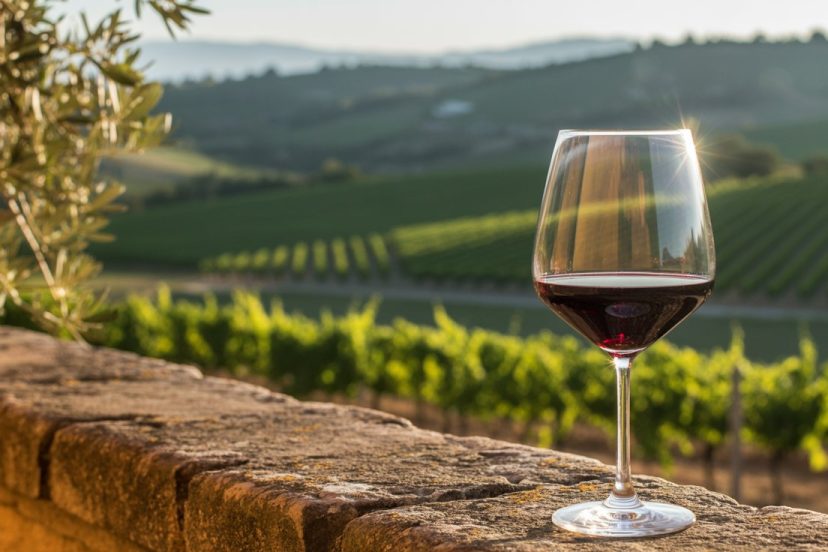
The visual assessment of wine provides initial clues about age, grape variety, and production methods. White wines range from pale straw to deep golden amber, while red wines span from light ruby to nearly opaque purple-black. Rosé wines occupy the spectrum between pale salmon and deep pink.
Legs or tears refer to the droplets that form and slide down the inside of a glass after swirling. These indicate alcohol content and viscosity—thicker, slower-moving legs suggest higher alcohol or residual sugar levels.
Clarity describes how transparent or cloudy the wine appears. Most modern wines are crystal clear, though some natural or unfiltered wines may appear slightly hazy, which doesn’t necessarily indicate a fault.
Aroma and Flavor Descriptors
The Nose
Nose is the overall term for a wine’s smell. More specifically, aroma refers to scents derived from the grape itself, while bouquet describes complex smells developed through aging and winemaking processes.
Common aroma categories include:
Fruity: Fresh fruit descriptors like cherry, apple, citrus, or tropical notes frequently appear in wine descriptions. These don’t mean fruit was added but rather that chemical compounds in the wine resemble those in various fruits.
Floral: Wines may evoke roses, violets, orange blossoms, or other flowers, particularly in aromatic white varieties and some light reds.
Earthy: Terms like mushroom, forest floor, wet stone, or mineral describe earthy characteristics, especially common in European wines.
Spicy: Notes of black pepper, clove, cinnamon, or vanilla often come from oak aging or the grape variety itself.
Herbal: Grass, mint, eucalyptus, or bell pepper descriptors indicate vegetal characteristics.
Taste and Texture Terms
Body
Body describes the weight and fullness of wine in the mouth, categorized as light, medium, or full-bodied. Light-bodied wines feel delicate and refreshing, similar to skim milk, while full-bodied wines feel rich and coating, more like whole milk or cream. Alcohol content, residual sugar, and extraction methods all influence body.
Tannins
Tannins are compounds found primarily in red wine that create a drying, astringent sensation, particularly noticeable on the gums and tongue. They come from grape skins, seeds, and stems, as well as oak barrels. Young red wines often taste tannic, but these compounds soften with age. Tannins provide structure and contribute to a wine’s aging potential.
Acidity
Acidity gives wine its refreshing, crisp quality and makes the mouth water. Described as high, moderate, or low, acidity balances sweetness and provides structure. High-acid wines taste tart or zesty, while low-acid wines feel softer and rounder. White wines generally showcase acidity more prominently than reds.
Sweetness Levels
Wine sweetness ranges across a spectrum:
Dry: Contains minimal residual sugar, with no perceptible sweetness on the palate
Off-dry: Slightly sweet but not overtly so, with just a hint of sugar
Semi-sweet: Noticeably sweet but balanced
Sweet: Dessert wines with substantial residual sugar
The perception of sweetness can be influenced by acidity, alcohol, and tannins, making some dry wines seem slightly sweet.
Finish
The finish or aftertaste refers to flavors and sensations that linger after swallowing. A long finish indicates quality, with flavors persisting for many seconds. A short finish means flavors disappear quickly.
Balance
Balance describes how well a wine’s components—acidity, tannins, alcohol, sweetness, and fruit—work together. Well-balanced wines have no single element overpowering others, creating harmony in the glass.
Production and Processing Terms
Fermentation
Fermentation is the process where yeast converts grape sugars into alcohol and carbon dioxide. This fundamental transformation turns juice into wine.
Malolactic fermentation is a secondary fermentation where tart malic acid converts to softer lactic acid, creating a creamier texture. This process is common in red wines and buttery Chardonnays.
Oak Aging
Oaked wines have been aged in oak barrels, which impart flavors like vanilla, toast, smoke, or coconut. Oak also allows gradual oxygen exposure, softening tannins and developing complexity.
Unoaked wines are aged in stainless steel or concrete, preserving fresh, primary fruit flavors without added oak characteristics.
Vintage
Vintage indicates the year grapes were harvested. Most wines list the vintage on the label, though some sparkling wines and fortified wines may be non-vintage (NV), blended from multiple years for consistency.
Terroir
Terroir encompasses all environmental factors affecting grape growing: soil composition, climate, elevation, slope orientation, and local microbiology. This French concept suggests that place imparts unique characteristics to wine, making wines from different regions distinctly different even when made from the same grape variety.
Wine Classifications and Origins
Varietal vs. Blend
A varietal wine is made primarily from a single grape variety, typically at least 75-85% depending on regional laws. The label features the grape name: Cabernet Sauvignon, Chardonnay, Pinot Noir.
A blend combines multiple grape varieties. Some famous blends include Bordeaux blends (typically Cabernet Sauvignon, Merlot, and Cabernet Franc) and Rhône blends (often Grenache, Syrah, and Mourvèdre).
Old World vs. New World
Old World wines come from traditional wine-producing regions in Europe, North Africa, and the Middle East. These wines often emphasize terroir and regional characteristics, labeled by place rather than grape variety. Examples include Burgundy, Rioja, and Chianti.
New World wines come from regions outside traditional wine-producing areas, including the Americas, Australia, New Zealand, and South Africa. These wines typically feature grape varieties on labels and tend toward fruit-forward, approachable styles.
Appellation
An appellation is a legally defined wine region. Wines must meet specific requirements regarding grape varieties, yields, and production methods to use the appellation name. Systems include France’s AOC (Appellation d’Origine Contrôlée), Italy’s DOC and DOCG, and Spain’s DO.
Common Wine Faults and Descriptors
Cork Taint
Corked wine has been contaminated by TCA (trichloroanisole), a compound that creates musty, wet cardboard, or moldy newspaper aromas. This fault renders wine undrinkable and occurs in roughly 2-5% of cork-sealed bottles.
Oxidation
Oxidized wine has been exposed to too much oxygen, causing it to turn brown and develop sherry-like, nutty, or bruised apple characteristics. While intentional in some wine styles, oxidation is a fault in most table wines.
Other Descriptors
Bretty: Affected by Brettanomyces yeast, creating barnyard, leather, or band-aid aromas. Some find small amounts appealing while others consider it a flaw.
Hot: Excessive alcohol creates a burning sensation, often described as hot or alcoholic.
Thin: Lacking body, flavor intensity, or substance.
Jammy: Excessively ripe, cooked fruit character, often from overripe grapes.
Serving and Tasting Terms
Decanting
Decanting involves pouring wine from its bottle into another container, either to separate wine from sediment in older bottles or to aerate younger wines, allowing them to breathe and open up.
Breathing
Allowing wine to breathe means exposing it to air before serving. This can soften tannins and allow aromas to develop, particularly beneficial for young, tannic red wines.
Temperature
Serving temperature dramatically affects wine perception. Chambré refers to serving red wine at room temperature (typically 60-68°F), though many reds benefit from slight chilling. White wines generally serve between 45-55°F, while sparkling wines taste best at 40-50°F.
Building Wine Confidence
Understanding wine terminology removes barriers to enjoyment and exploration. These terms provide a shared language for discussing preferences, reading labels, and making selections aligned with personal tastes. However, wine appreciation remains inherently subjective—two people may perceive the same wine differently, and both observations are equally valid.
Start by paying attention to wines enjoyed naturally, noting which descriptors resonate. Over time, the vocabulary becomes second nature, and the ability to identify and articulate preferences grows stronger. Wine shops and restaurants appreciate when customers can communicate using basic terminology, leading to better recommendations and more satisfying selections.
The wine world welcomes enthusiastic learners at every level. No one expects beginners to have encyclopedic knowledge, and asking questions demonstrates genuine interest rather than ignorance. Many wine professionals love sharing their passion and helping others discover new favorites.
Conclusion
Mastering basic wine terminology empowers anyone to navigate wine lists confidently, communicate preferences clearly, and deepen appreciation for this ancient beverage. From understanding how tannins affect mouthfeel to recognizing the difference between aroma and bouquet, each term adds another layer of understanding to the wine experience.
The journey into wine appreciation is personal and ongoing. These fundamental terms provide the foundation, but the real education comes from tasting widely, staying curious, and trusting individual palates. Wine should bring pleasure, spark conversation, and enhance meals—never intimidate or exclude. With this vocabulary in hand, beginners can approach any wine situation with confidence and enthusiasm, ready to explore the remarkable diversity the wine world offers.
Frequently Asked Questions
What’s the difference between dry and sweet wine?
Dry wine contains minimal residual sugar, meaning most grape sugars converted to alcohol during fermentation. These wines have no perceptible sweetness on the palate. Sweet wines retain more residual sugar, either by stopping fermentation early, adding sweetened grape must, or using naturally sweeter grapes. The spectrum between these extremes includes off-dry and semi-sweet categories. Importantly, fruity flavors don’t necessarily mean a wine is sweet—many dry wines display prominent fruit characteristics.
How can someone tell if a wine is full-bodied or light-bodied?
Body relates to the weight and texture wine creates in the mouth. Full-bodied wines feel rich, coating, and substantial, often with higher alcohol content (typically above 13.5%). Light-bodied wines feel delicate, refreshing, and more water-like, usually with lower alcohol (below 12.5%). Medium-bodied wines fall between these extremes. Swirling wine and noting how it clings to the glass (legs) provides visual clues, while tasting reveals the true body through mouthfeel and weight.
Why do wine descriptions use fruit terms when wine is made only from grapes?
Wine contains hundreds of aromatic compounds, many of which are chemically identical or similar to compounds found in other fruits, flowers, spices, and substances. When tasting wine, the brain recognizes these familiar compounds and associates them with previously encountered scents and flavors. Describing wine as having “cherry notes” means it contains compounds that trigger the same sensory recognition as actual cherries, not that cherries were added to the wine.
What does it mean when a wine has good structure?
Structure refers to the framework of acidity, tannins, alcohol, and body that supports a wine’s flavors. Well-structured wines have these elements in proper proportion, creating a solid foundation that allows the wine to age gracefully and feel balanced in the mouth. Red wines gain structure primarily from tannins and acidity, while white wines rely more heavily on acidity. Wines with good structure typically age better than those lacking structural components.
Is expensive wine always better than cheap wine?
Price doesn’t guarantee quality or enjoyment. Many factors influence wine pricing beyond taste, including production costs, scarcity, reputation, aging potential, and marketing. A $15 bottle might bring more pleasure than a $150 bottle depending on personal preferences, food pairings, and the occasion. However, higher-priced wines often come from prestigious regions, use more selective fruit, and involve more labor-intensive production methods. The best approach is to explore various price points and determine which wines offer the most satisfaction regardless of cost.
Hello, everyone! I'm Sophia Morgan, a devoted lover of all things wine. I'm thrilled to welcome you to my wine website, where I invite you to embark on an enchanting journey through the captivating world of vineyards and vintages. Through my deep-rooted passion and unwavering curiosity, I aim to share the joy of wine discovery with you. From delightful tasting notes to fascinating stories, let's raise our glasses and explore the boundless beauty and artistry of wine together. Cheers to endless possibilities and unforgettable moments!
Post Disclaimer*We may earn a commission for purchases made using our links. Please see our disclosure to learn more. Planning a winery visit should be exciting, but deciding ...
Post Disclaimer*We may earn a commission for purchases made using our links. Please see our disclosure to learn more. There’s something special about sitting down to a comforting ...
Post Disclaimer*We may earn a commission for purchases made using our links. Please see our disclosure to learn more. Wasp wine sounds like something invented purely for shock ...