The Complete Guide to Wine Cooler Temperature
Post Disclaimer
*We may earn a commission for purchases made using our links. Please see our disclosure to learn more.
Wine storage is a delicate science that can make the difference between a memorable tasting experience and a disappointing one. While many factors contribute to proper wine preservation, temperature stands as the most critical element in maintaining wine quality over time. Understanding the nuances of wine cooler temperature settings allows collectors and enthusiasts alike to protect their investments and ensure every bottle reaches its full potential.
“Wine is a living, breathing entity that requires consistent conditions to mature gracefully. Temperature fluctuations are far more damaging than a slightly imperfect but stable environment.”
— Wine Storage Institute, Journal of Enology Studies
Key Takeaways
- Red wines are best stored between 55-65°F, with fuller-bodied varieties preferring the warmer end of this range
- White and rosé wines should be kept at 45-55°F to preserve their crispness and aromatic qualities
- Sparkling wines require the coolest storage at 40-50°F to maintain carbonation and freshness
- Temperature consistency matters more than the exact degree, with fluctuations causing premature aging
- Dual-zone wine coolers offer flexibility for storing multiple wine types simultaneously
- The ideal long-term storage temperature for all wine types is approximately 55°F
Understanding Wine Temperature Fundamentals
Temperature affects wine on a molecular level, influencing everything from aging rate to flavor development. When wine is stored too warm, chemical reactions accelerate unnaturally, causing premature oxidation and cooked flavors. Conversely, excessively cold temperatures can halt the beneficial aging process and cause corks to contract, potentially allowing air to seep into bottles.
The concept of “room temperature” for red wine originated in European cellars centuries ago, where ambient temperatures naturally hovered around 55-60°F. Modern homes typically maintain temperatures between 68-72°F, which is actually too warm for optimal wine storage and service. This historical context explains why dedicated wine coolers have become essential for serious collectors.
Optimal Temperature Ranges by Wine Type
Red Wines
Full-bodied red wines like Cabernet Sauvignon, Syrah, and Malbec thrive at 60-65°F. These temperatures allow the wine’s complex tannins and bold flavors to express themselves fully without becoming muted or overly alcoholic. Medium-bodied reds such as Merlot, Sangiovese, and Grenache perform best at 55-60°F, where their fruit-forward characteristics remain vibrant.
Light-bodied red wines including Pinot Noir, Gamay, and lighter Zinfandels should be stored and served at 50-55°F. This cooler range preserves their delicate aromatics and prevents the alcohol from overwhelming subtle fruit notes. Many wine enthusiasts make the mistake of serving light reds too warm, which can make them taste flabby and unbalanced.
White Wines
Full-bodied white wines like oaked Chardonnay and white Burgundy benefit from storage at 50-55°F. This temperature range allows their rich textures and complex flavors to shine while maintaining refreshing acidity. Serving these wines too cold can mask their intricate characteristics and make them taste one-dimensional.
Medium-bodied whites such as unoaked Chardonnay, Viognier, and Pinot Grigio should be kept at 45-50°F. This range preserves their bright acidity and aromatic profiles while preventing excessive coldness that could numb the palate. Light-bodied whites including Sauvignon Blanc, Riesling, and Albariño perform optimally at 40-45°F, where their crisp, refreshing qualities remain pronounced.
Sparkling Wines and Champagne
Sparkling wines require the coldest storage temperatures, typically between 40-50°F. The cooler temperature helps maintain carbonation and prevents the cork from pushing out due to internal pressure. Vintage Champagnes and premium sparkling wines can be stored at the warmer end of this range, while lighter proseccos and cavas benefit from the cooler temperatures.
Rosé and Dessert Wines
Rosé wines should be stored at 45-55°F, similar to light white wines. This temperature preserves their fresh, fruity character and vibrant color. Sweet dessert wines like Sauternes, Port, and ice wines can be stored at 50-55°F, though they’re often served slightly cooler to balance their sugar content with refreshing acidity.
The Science of Temperature Fluctuation
Temperature stability proves more crucial than achieving a perfect specific degree. Fluctuations cause wine to expand and contract, which can compromise cork seals and accelerate oxidation. A wine stored consistently at 60°F will fare better than one that swings between 55°F and 65°F daily.
Seasonal temperature changes present particular challenges in regions with extreme weather variations. Wine coolers with advanced insulation and powerful compressors can maintain stable internal temperatures regardless of external conditions. The goal is to keep temperature variations within a two-degree range throughout the year.
Rapid temperature changes are especially harmful. When wine warms quickly, it can expand faster than the bottle and cork can accommodate, potentially causing seepage. Conversely, sudden cooling can create vacuum effects that draw air into the bottle. Quality wine coolers feature gradual temperature adjustment mechanisms that prevent these shock scenarios.
Single-Zone Versus Dual-Zone Wine Coolers
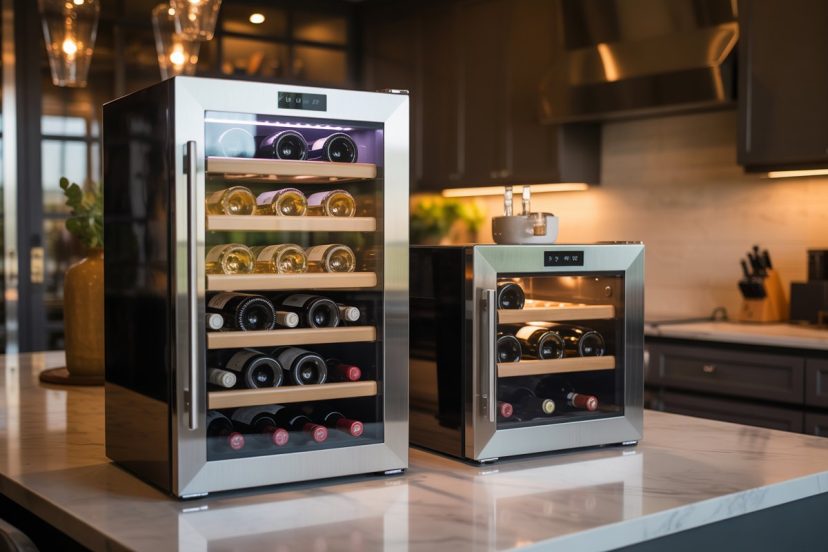
Single-zone wine coolers maintain one consistent temperature throughout the entire unit. These models work well for collectors who focus on one wine type or who plan to store all bottles at the universal ideal of 55°F. Single-zone units typically cost less and offer simpler operation with fewer potential mechanical issues.
Dual-zone wine coolers provide two independently controlled temperature sections, usually with the cooler zone on top and warmer zone below, taking advantage of natural heat rising. This configuration allows simultaneous storage of whites and reds at their respective optimal temperatures. The flexibility of dual-zone units makes them ideal for diverse collections or households with varying wine preferences.
Some advanced wine coolers offer triple-zone or even quad-zone configurations, though these remain less common and typically cater to commercial applications or serious collectors with extensive inventories. For most home users, dual-zone units provide sufficient versatility without unnecessary complexity.
Additional Temperature-Related Considerations
Humidity Control
While primarily a temperature guide, humidity cannot be ignored in wine storage discussions. Ideal humidity levels range from 50-70%, preventing cork drying while avoiding mold growth. Many wine coolers include humidity control features or recommendations for maintaining proper moisture levels through external means.
Vibration Management
Temperature and vibration interact significantly in wine storage. Compressor-based cooling systems generate more vibration than thermoelectric models but provide more powerful temperature control. The choice between these technologies often depends on whether the collector prioritizes absolute temperature precision or minimal disturbance to aging wines.
Light Protection
UV light generates heat and can prematurely age wine through photochemical reactions. Quality wine coolers feature UV-protected glass doors that filter harmful wavelengths while allowing visibility. Some enthusiasts prefer solid doors for complete light exclusion, particularly for long-term storage of valuable bottles.
Practical Tips for Wine Cooler Management
Regular temperature monitoring ensures the cooler functions properly. Built-in digital displays provide real-time readings, but independent thermometers placed inside the unit offer additional verification. Checking temperatures weekly helps identify potential cooling system failures before they cause significant damage.
Strategic bottle placement within the cooler maximizes storage efficiency and temperature appropriateness. In dual-zone units, place wines that require coldest temperatures in the upper sections and those preferring warmer conditions in lower areas. Leave adequate space between bottles for air circulation, which promotes even temperature distribution.
Avoid opening the cooler door unnecessarily, as each opening allows warm air infiltration and forces the cooling system to work harder. When selecting bottles for immediate consumption, remove them efficiently and close the door promptly. Consider keeping a separate smaller cooler or refrigerator for wines intended for near-term drinking.
Common Wine Temperature Mistakes
Storing wine in regular refrigerators ranks among the most common errors. Standard refrigerators operate at 35-40°F, too cold for proper wine storage, and their humidity levels are too low. Additionally, refrigerators vibrate significantly and lack the specialized features that protect wine quality over time.
Many people confuse serving temperature with storage temperature. While storage should remain consistent around 55°F for most wines, serving temperatures vary by type. Red wines often need slight cooling from storage temperature, while whites may need warming after refrigeration. Understanding this distinction prevents serving wines at suboptimal temperatures.
Neglecting to account for seasonal temperature changes in the wine cooler’s location can compromise performance. Units placed in garages, basements, or other unconditioned spaces may struggle during temperature extremes. Ensure wine coolers are positioned in climate-controlled areas or select models specifically rated for wider ambient temperature ranges.
Investing in Temperature Control
The cost of a quality wine cooler represents insurance for valuable wine collections. A single damaged bottle of fine wine can exceed the price difference between a basic and premium cooling unit. When selecting a wine cooler, prioritize temperature stability, build quality, and warranty coverage over maximum capacity or aesthetic features.
Energy efficiency deserves consideration, especially for larger units that run continuously. Look for Energy Star certified models that provide reliable cooling while minimizing electricity consumption. Thermoelectric coolers generally consume less power than compressor models but have limitations in cooling capacity and ambient temperature tolerance.
Installation location significantly impacts wine cooler performance. Built-in units require proper ventilation spacing, while freestanding models need adequate clearance around all sides. Avoid placing wine coolers near heat sources like ovens or dishwashers, in direct sunlight, or in spaces subject to extreme temperature variations.
Temperature Monitoring Technology
Modern wine coolers incorporate sophisticated temperature monitoring systems that provide precision control and real-time alerts. Digital displays show exact temperatures for each zone, while some advanced models connect to smartphone apps for remote monitoring. These features prove especially valuable for expensive collections where temperature excursions could result in significant losses.
Backup temperature logging provides peace of mind during power outages or cooling system failures. Some premium wine coolers include battery backup systems that maintain temperature records even when unplugged. This data helps determine whether wines remained safe during equipment malfunctions or extended power losses.
Alarm systems alert owners to temperature problems before serious damage occurs. Audible alarms sound when temperatures exceed preset thresholds, while visual indicators flash on control panels. Connectivity-enabled coolers can send push notifications or emails, allowing immediate response even when away from home.
Long-Term Storage Considerations
Wine intended for aging over many years requires especially careful temperature management. Consistency becomes paramount, as even minor fluctuations accumulate damage over time. Collectors planning decade-long storage should invest in premium wine coolers with proven reliability and robust temperature control systems.
Professional wine storage facilities maintain temperatures within extremely narrow ranges, typically 55°F plus or minus one degree. While home wine coolers may not achieve this precision, quality units can maintain temperatures within two to three degrees, sufficient for most collecting purposes. Consider professional storage for extremely valuable bottles or those requiring decades of aging.
Documentation of temperature history adds value to collectible wines, particularly when selling or trading bottles. Maintaining records of storage conditions provides buyers with confidence in wine provenance and preservation. Some serious collectors use independent temperature loggers that create verifiable storage history reports.
Conclusion
Mastering wine cooler temperature management transforms wine collecting from a casual hobby into a refined practice that preserves and enhances bottle quality. The investment in proper temperature-controlled storage pays dividends through better tasting wines, extended aging potential, and protected financial value of collections. Whether storing everyday drinking wines or rare vintages, maintaining appropriate temperatures ensures every bottle reaches its full expressive potential.
The journey toward optimal wine storage begins with understanding that temperature is not merely a number on a dial but a fundamental factor in wine preservation. By selecting appropriate equipment, monitoring conditions regularly, and applying knowledge of wine-specific temperature requirements, anyone can create ideal storage conditions that rival professional cellars. The result is a collection that matures gracefully, ready to deliver exceptional experiences whenever the occasion calls for opening that special bottle.
Frequently Asked Questions
What happens if wine is stored at too high a temperature?
Excessive heat accelerates aging processes unnaturally, causing wines to develop cooked or stewed fruit flavors while losing their fresh characteristics. Temperatures above 70°F can permanently damage wine within months, causing oxidation, color changes, and structural breakdown. In extreme cases, heat can expand wine enough to push corks out or cause seepage around the cork seal.
Can wine be damaged by being too cold?
While cold temperatures are generally less harmful than heat, prolonged exposure to near-freezing conditions can cause problems. Wine can freeze around 20-25°F depending on alcohol content, potentially expanding enough to break bottles or push out corks. Even without freezing, extended cold storage below 40°F can halt beneficial aging processes and cause tartrate crystals to form, though these crystals are harmless.
How long does it take for a wine cooler to reach the set temperature?
Most wine coolers require 24-48 hours to stabilize at their programmed temperature when first started or after being fully stocked. The exact time depends on the unit’s size, cooling technology, ambient room temperature, and how many bottles were added. Avoid adding the entire collection at once; instead, gradually fill the cooler over several days to avoid overwhelming the cooling system.
Do wine coolers use a lot of electricity?
Wine cooler energy consumption varies by size and technology. Small thermoelectric units typically use 80-100 watts and cost approximately $10-15 monthly to operate. Larger compressor-based coolers consume 100-200 watts, costing $15-30 monthly. Energy Star certified models offer significant savings over non-certified alternatives while providing equivalent performance. These costs remain modest compared to the value of protected wine collections.
Should red and white wines be stored at different temperatures?
For long-term aging, all wines benefit from storage at approximately 55°F regardless of type. However, when storing wines for shorter periods before consumption, separating reds and whites into different temperature zones optimizes their condition at serving time. Dual-zone coolers allow this differentiation while maintaining the consistency that both wine types require for quality preservation.