What Is Orange Wine? A Complete Guide to Skin-Contact Wine
Post Disclaimer
*We may earn a commission for purchases made using our links. Please see our disclosure to learn more.
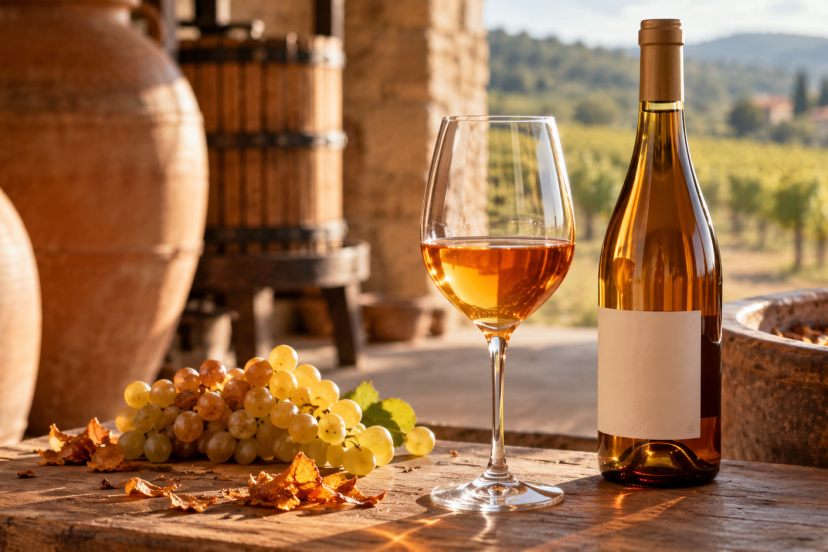
Orange wine has become one of the most talked-about styles in modern wine, but its eye-catching name can cause some confusion. Despite what you might assume when you see a golden-orange bottle on a wine-shop shelf, winemakers do not use oranges to make orange wine. Instead, they ferment white wine grapes with their skins for an extended period, which gives the wine its distinctive color, texture, and character.
That small change in winemaking technique can completely transform the finished wine. Instead of the pale color, delicate texture, and straightforward fruit flavors associated with many conventional whites, orange wine can deliver amber hues, noticeable tannins, savory aromas, dried fruit, herbs, tea, citrus peel, nuts, spices, and a surprisingly structured mouthfeel.
In simple terms, orange wine is often described as white wine made using red-wine techniques. The Wine & Spirit Education Trust (WSET) explains that skin contact contributes not only color but also texture, tannic structure, and complex savory or oxidative characteristics.
Although orange wine may seem like a new trend, winemakers have used this technique for centuries. Georgia has a long tradition of skin-contact winemaking, while producers in Italy, Slovenia, France, the United States, and other wine regions have introduced the style to a new generation of drinkers.
“Orange wines … are white wines made with extended contact between the grape juice and skins during fermentation.”
— Wine & Spirit Education Trust (WSET)
Key Takeaways
- Winemakers use white grapes, not oranges, to make orange wine.
- Its distinctive color and texture come from fermenting white grape juice in contact with the grape skins.
- Skin contact adds tannins, structure, color, flavor, and aromatic complexity.
- Orange wines can range from light, fresh, and fruity to deeply amber, tannic, earthy, nutty, and savory.
- Georgia has an especially important historical connection to skin-contact wine through traditional qvevri winemaking.
- Orange wine is not automatically natural, organic, biodynamic, or unfiltered, although those categories often overlap.
- It pairs especially well with flavorful foods that can overwhelm delicate conventional white wines.
Four Orange Wines Worth Trying
Gérard Bertrand Orange Gold
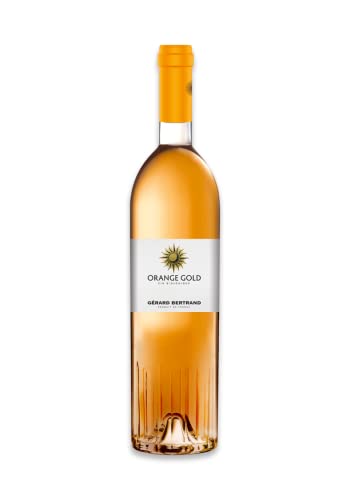
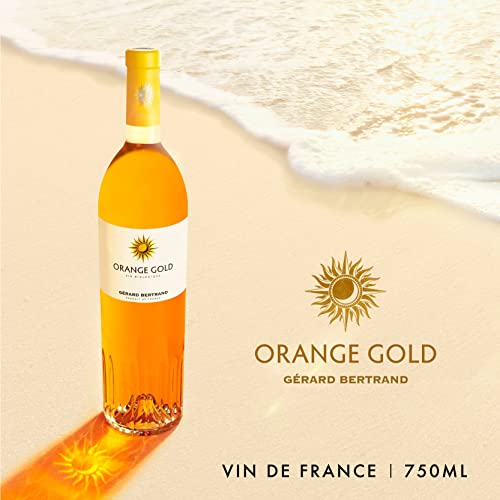
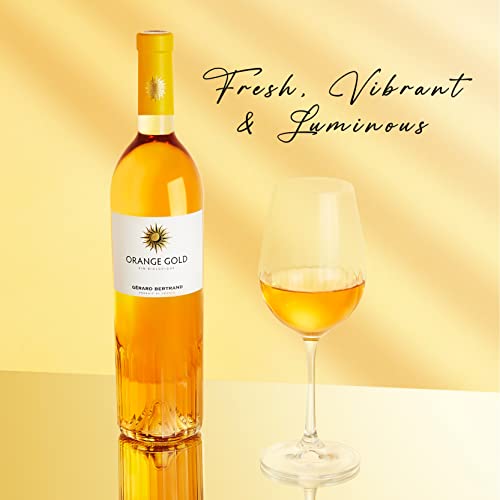
Orange Gold, a 750-milliliter bottle of orange wine, exudes a fresh and spicy essence coupled with exceptional minerality. This aromatic blend boasts fruity notes of citrus fruits, mandarin, bloody orange, and a subtle spice, offering a delightful pairing with Indian curry, lightly spiced Asian dishes, and robust hard crust cheeses. Honored with a Wine Enthusiast score of 90 points in 2020, this wine is crafted from organic grapes, presenting a unique and flavorful experience.
- Complex Aromatics: Intriguing blend of citrus fruits and spices for a captivating aroma.
- Versatile Pairing: Ideal match for Indian curry, lightly spiced Asian cuisine, and robust cheeses.
- Acclaimed Quality: Received an impressive 90 points from Wine Enthusiast, indicating exceptional taste and quality.
- Distinct Flavor Profile: Might not suit those preferring more traditional wine flavors.
- Limited Pairing Scope: Specific suggested pairings may limit versatility for some preferences.
- Acquired Taste: Not universally appealing due to its unique spicy and citrusy notes.
Gérard Bertrand Orange Gold is an approachable choice for anyone new to orange wine. It offers an easy introduction without overly tannic or funky flavors.
Made in southern France from organically grown grapes, it offers citrus, mandarin, blood orange, spice, and mineral notes. Whole Foods describes it as fresh and spicy, with a fruity bouquet.
Its polished character makes it useful for beginners who want to understand skin-contact wine without choosing an especially challenging bottle.
Try it with Indian curries, mildly spicy Asian dishes, roasted vegetables, or firm cheeses.
Spiritus Terrae Orange Malvasia

Spiritus Terrae Orange Malvasia is a Central Italian skin-contact wine made from aromatic white grapes. With 13.5% ABV, it offers a fuller, more structured style while still keeping the floral and fruit-driven character associated with Malvasia. Its texture and complexity make it a good introduction for drinkers who want to explore orange wine without jumping straight into heavily tannic or highly oxidative styles.
- Italian Origin: Made in Central Italy
- Fuller Body: 13.5% ABV gives it more presence
- Food Friendly: Works well with flavorful meals
- Higher Alcohol: Stronger than lighter orange wines
- Distinctive Style: Skin-contact wine may take getting used to
- Bolder Profile: May not appeal to fans of crisp, delicate whites
Spiritus Terrae Orange Malvasia is a good choice for anyone exploring Italian orange wine. Its approachable style makes it suitable for beginners.
Winemakers in Central Italy use Malvasia, an aromatic white grape variety known for expressive floral and fruit characteristics, to make this wine. Skin contact adds extra depth, texture, and structure to Malvasia’s naturally aromatic profile.
At 13.5% alcohol by volume (ABV), Spiritus Terrae Orange Malvasia has enough body to stand alongside flavorful foods while still retaining the freshness expected from a white-grape wine.
Its orange-wine style makes it particularly appealing to drinkers who enjoy aromatic whites but want something with a little more grip and complexity.
Try it with roasted vegetables, grilled chicken, creamy cheeses, Mediterranean dishes, seafood, or mildly spicy foods.
Wonderwerk Big Orange Wine


Wonderwerk Big Orange Wine is a U.S.-made orange-style white blend offered in a generous 1-liter bottle. With 11.3% ABV, it is lighter in alcohol than many fuller-bodied wines, making it suitable for casual meals and sharing. The larger format also makes it an appealing option for gatherings or serving several people.
- Large Format: Generous 1-liter bottle
- Lower Alcohol: Moderate 11.3% ABV
- Shareable: Convenient size for gatherings
- Less Concentrated: May feel lighter than richer orange wines
- Large Bottle: More wine to finish after opening
- Unconventional Style: May not suit traditional white-wine drinkers
For something more unconventional, Wonderwerk Big Orange Wine is an interesting American-made option.
Sold in a generous 1-liter bottle, this white blend comes in at 11.3% ABV, making it lighter in alcohol than many traditional orange wines. That lower alcohol level can make it especially appealing for casual meals, gatherings, or drinkers who prefer a fresher and less powerful style.
Wonderwerk is known for producing wines with an experimental, contemporary approach, and Big Orange fits naturally into that philosophy. The skin-contact style gives the wine more texture and character than a typical white blend while maintaining enough freshness to remain easy to drink.
Its lighter body makes it versatile at the table. Pair it with charcuterie, pizza, grilled vegetables, sandwiches, roast chicken, seafood, or mildly spicy dishes.
For someone exploring orange wine for the first time, Wonderwerk Big Orange offers a relaxed introduction to the category without requiring the heavier tannins or oxidative flavors found in some traditional amber wines.
What Is Orange Wine?
Orange wine is essentially a skin-contact white wine.
Most conventional white wine is produced by crushing or pressing white grapes and separating the juice from the skins relatively quickly. Fermentation then takes place primarily with the juice.
Orange wine changes this process.
Instead of removing the skins immediately, the winemaker keeps them in contact with the juice during fermentation. Depending on the producer and desired style, this maceration may last anywhere from several days to weeks or even months.
The grape skins contain pigments and phenolic compounds, including tannins. When juice remains in contact with them, these compounds move into the wine.
That is why orange wine can feel surprisingly similar to red wine despite being made from white grapes.
The International Organisation of Vine and Wine (OIV) formally recognizes a category it calls “white wine with maceration,” defined as wine made from white grape varieties fermented with prolonged contact with grape pomace, including skins, pulp, seeds and, potentially, stems. Its formal definition specifies at least one month of maceration, while the broader commercial category commonly called orange or skin-contact wine includes producers using shorter maceration periods as well.
Why Is Orange Wine Orange?
The color comes primarily from grape-skin contact.
Although we usually think of white grapes as green or golden, their skins still contain pigments and other compounds. Allowing those skins to remain with the juice gradually deepens the wine’s appearance.
Depending on the grapes, winemaking technique, oxidation, maturation, and length of skin contact, an orange wine might appear pale gold, yellow-orange, copper, amber, apricot, or even brownish-gold.
Longer skin contact often results in deeper color and more obvious tannin, although maceration time is only one part of the equation.
This also explains why not every skin-contact white wine is literally bright orange. Some are barely darker than conventional white wine, while others look closer to amber.
How Is Orange Wine Made?
Orange wine begins in much the same way as other wine: ripe grapes are harvested and brought to the winery.
The major difference comes after crushing.
For a conventional white wine, producers generally separate the juice from the skins before or very early in fermentation. With orange wine, some or all of the skins remain.
Fermentation may take place in stainless-steel tanks, barrels, concrete vessels, clay amphorae, or traditional Georgian qvevri. The winemaker ultimately decides how long the wine remains on the skins and whether seeds, stems, or whole grape clusters are incorporated.
A few days of maceration may produce a fresh wine with gentle color and subtle grip. Several weeks or months can produce something far more structured, tannic, aromatic, and savory.
Some producers also allow controlled exposure to oxygen or use long periods of maturation, further developing flavors such as dried fruit, nuts, tea, spice, and orange peel.
There is therefore no single recipe for orange wine.
The Ancient Connection Between Orange Wine and Georgia
While skin-contact white wine is now made around the world, Georgia is one of the most important places in its history.
Traditional Georgian winemakers use large egg-shaped clay vessels called qvevri. These vessels may be buried underground, helping create relatively stable conditions for fermentation and ageing.
According to UNESCO, traditional Georgian qvevri winemaking involves pressing grapes and placing the juice together with grape skins, stalks, and pips into a qvevri. The vessel is sealed and buried so the wine can ferment and mature for several months. UNESCO added the ancient Georgian qvevri winemaking method to its Representative List of the Intangible Cultural Heritage of Humanity in 2013.
Georgia’s Rkatsiteli and Kisi grapes are particularly well known for producing amber wines using these methods.
The modern orange-wine revival also owes much to producers along the Italian-Slovenian border. WSET highlights northeastern Italy’s Friuli region and Slovenia’s Brda as important centers of modern skin-contact winemaking. Producers such as Joško Gravner helped renew interest in long skin maceration and Georgian-style clay vessels around the turn of the 21st century.
What Does Orange Wine Taste Like?
There is no single orange-wine flavor.
Some bottles are refreshing and approachable, showing citrus, peach, apple, apricot, flowers, and fresh herbs.
Others can be much more intense, with flavors and aromas reminiscent of dried apricot, bruised apple, orange peel, tea leaves, honey, nuts, spice, dried flowers, herbs, earth, cider, and savory ingredients.
One of the biggest differences compared with conventional white wine is texture.
Because tannins are extracted from the skins, seeds, and sometimes stems, orange wine often creates a drying or gripping sensation in your mouth. If you usually drink red wine, that texture may feel familiar.
Some versions have only a faint tannic edge. Others are almost as structured as lighter red wines.
Acidity also plays an important role. Good orange wines often balance their tannins and intense flavors with enough acidity to remain lively and food-friendly.
Is Orange Wine Sweet or Dry?
Most orange wines you encounter are dry, meaning little residual sugar remains after fermentation.
However, orange refers to the winemaking method rather than sweetness. There is no rule preventing a producer from making an off-dry or sweeter skin-contact wine.
If you prefer dry wine, look at the producer’s tasting notes or ask a retailer or sommelier before buying.
It is also worth remembering that ripe fruit, honey, dried apricot, or candied-citrus aromas can make a wine seem sweeter than it actually is.
Is Orange Wine the Same as Natural Wine?
No.
This is one of the most common misunderstandings surrounding the category.
Orange wine describes a winemaking method. Natural wine describes a philosophy or approach to viticulture and winemaking.
Many producers associated with orange wine favor organic or biodynamic farming, native yeasts, minimal filtration, low sulfur additions, and other low-intervention practices. This has created a strong cultural connection between orange wine and the natural-wine movement.
But an orange wine is not automatically natural wine.
A producer can make skin-contact wine using more conventional techniques, just as a producer can make natural red, white, rosé, or sparkling wine.
Likewise, “organic,” “biodynamic,” “natural,” and “orange” should not be treated as interchangeable terms.
What Food Goes With Orange Wine?
Orange wine can be exceptionally versatile at the dinner table because it occupies an unusual space between white and red wine.
It can retain the acidity and freshness associated with white wine while providing the tannin and body normally expected from red.
That makes it especially useful for foods that are difficult to pair.
Spiced Middle Eastern dishes, Indian curries, Moroccan food, Korean cuisine, roasted vegetables, mushrooms, fermented foods, charcuterie, richer seafood, pork, poultry, aged cheese, and dishes containing herbs or earthy flavors can all work beautifully.
More delicate orange wines can accompany fish and lighter appetizers, while heavily macerated examples can stand alongside richer meat dishes.
How Should You Serve Orange Wine?
Serving temperature matters.
Very cold temperatures can mute aromas and exaggerate tannic hardness. On the other hand, serving orange wine too warm can make the alcohol feel more prominent.
For many bottles, lightly chilled rather than refrigerator-cold is a good starting point.
A temperature around 50–59°F (10–15°C) works well for many styles, with lighter wines toward the cooler end and richer, more structured bottles slightly warmer. Borgo Savaian, for example, recommends serving Aransat around 15°C.
Use a standard white-wine or all-purpose wine glass rather than a tiny glass. More aromatic, structured bottles may even benefit from a larger bowl and some time exposed to air.
Is Orange Wine Worth Trying?
Orange wine is worth exploring precisely because the category is so diverse.
A lightly macerated Pinot Grigio can be crisp, floral, and easy to drink. A traditional Georgian amber wine may be deeply tannic, earthy, and powerful. Between those extremes is an enormous range of styles.
For beginners, the best strategy is not to judge the entire category from a single bottle.
Start with a relatively fresh, lightly macerated wine. If you enjoy its additional texture, move toward bottles with longer skin contact and more savory characteristics.
Orange wine is less a single flavor than a different way of thinking about white grapes, and that makes it one of the most interesting categories for adventurous wine drinkers to explore.
Frequently Asked Questions
1. Is orange wine actually made from oranges?
No. Orange wine is generally made from white wine grapes. Its orange, copper, or amber color develops because the juice remains in contact with grape skins during fermentation. No oranges are required.
2. Is orange wine a white wine or red wine?
Technically, it is made from white grape varieties, but the production method resembles red winemaking because the juice ferments with the skins. That is why orange wine combines qualities associated with both categories: white-wine acidity and freshness alongside red-wine-like tannin and structure.
3. What is the difference between orange wine and rosé?
They essentially approach skin contact from opposite directions. Rosé is usually made from dark-skinned grapes with relatively limited skin contact, giving the wine a pink color. Orange wine uses white grapes with extended skin contact, producing golden, copper, or amber colors along with additional tannin and texture.
4. Should orange wine be refrigerated?
Yes, but it generally does not need to be served extremely cold. Lightly chilling orange wine can preserve freshness without hiding its aromas and flavors. Around 50–59°F (10–15°C) is a useful range for many bottles, depending on their body and structure.
5. Why is orange wine so popular?
Orange wine offers flavors and textures that fall outside the traditional red-white-rosé framework. It also has strong associations with ancient winemaking traditions, small producers, low-intervention techniques, and adventurous restaurant wine programs. Its combination of history, distinctive appearance, food versatility, and unusual flavor profiles has helped it attract drinkers looking for something different.
Final Thoughts
So, what is orange wine? At its heart, it is white wine made with extended grape-skin contact, a technique that can transform pale, delicate white grapes into wines with amber color, tannin, texture, spice, savory complexity, and remarkable food-pairing potential.
The category stretches from bright, refreshing gateway wines to powerful amber bottles aged for months or years. Its resurgence may feel contemporary, but its connection to traditional Georgian qvevri winemaking demonstrates just how deep its roots really are.
If you are trying orange wine for the first time, begin with an approachable bottle and pay attention to the texture as much as the flavor. That slight tannic grip is the clue that makes orange wine different, and the reason a simple change in how white grapes are fermented can create an entirely different wine experience.