What Is the Healthiest Red Wine? A Complete Guide to Making a Better Choice
Post Disclaimer
*We may earn a commission for purchases made using our links. Please see our disclosure to learn more.
Red wine has long had a reputation for being one of the healthier alcoholic drinks. Much of that reputation comes from naturally occurring plant compounds called polyphenols, including resveratrol, anthocyanins, catechins, tannins, and quercetin. Because red wine is typically fermented with grape skins and seeds, it generally contains more polyphenols than white wine.
However, calling any type of red wine truly “healthy” requires some important context. Alcohol itself is associated with health risks, including an increased risk of several cancers. The Centers for Disease Control and Prevention states that drinking less alcohol is better for health than drinking more.
So, what is the healthiest red wine?
If reducing overall health risk is the main goal, a dry, dealcoholized or non-alcoholic red wine with relatively little added sugar is generally the better choice. If you prefer traditional alcoholic wine, look for a dry red with a lower alcohol by volume, modest residual sugar, and a reasonable serving size.
The grape variety matters, but alcohol content, sugar, portion size, and how frequently you drink matter much more.
“No research has proved a cause-and-effect link between drinking alcohol and better heart health.”
Source: American Heart Association
Key Takeaways
- No alcoholic red wine should be considered a health food or consumed specifically to prevent disease.
- If minimizing alcohol-related health risk is the priority, dealcoholized or 0.0% red wine is generally a better option.
- Red wine contains polyphenols such as resveratrol, anthocyanins, catechins, and tannins.
- These beneficial plant compounds can also be obtained from grapes, berries, tea, nuts, cocoa, and other foods without consuming alcohol.
- Among traditional wines, dry, lower-alcohol reds are usually a better option than sweet, fortified, or high-alcohol wines.
- Pinot Noir is often considered one of the better traditional options because many examples are relatively light and moderate in alcohol, although this varies considerably by producer.
- Cabernet Sauvignon, Syrah, Tannat, and other deeply pigmented reds can contain substantial polyphenols, but more antioxidants do not cancel out the effects of alcohol.
- A standard serving of wine in the United States is approximately 5 fluid ounces at 12% alcohol by volume.
Four Red Wine Products to Consider
If your goal is to enjoy the flavor and experience of red wine while reducing alcohol intake, alcohol-removed reds can be a useful option.
1. Thomson & Scott Noughty Rouge


Thomson & Scott Noughty Red is a dealcoholized red wine made from organic Syrah grapes for those who want the taste and character of red wine with less than 0.5% ABV. It offers ripe fruit flavors with notes of cherries, black pepper, and rose, balanced by gentle tannins and low acidity. This vegan and gluten-free option is also low in sugar, making it suitable for sipping on its own or using in alcohol-free sangria, mocktails, and other cocktail-style drinks.
- Low Alcohol: Contains less than 0.5% ABV for a lighter alternative to traditional red wine.
- Organic Syrah: Made with organic Syrah grapes and suitable for vegan and gluten-free diets.
- Versatile Flavor: Works well for sipping, sangria, mocktails, and alcohol-free cocktail recipes.
- Mixed Reviews: The product currently has a relatively low customer rating.
- Different From Wine: The lighter body may not satisfy those expecting the depth of traditional Syrah.
- Premium Price: Costs more than many basic non-alcoholic red wine alternatives.
Best for: A dry and sophisticated alcohol-removed red
Noughty Rouge is made primarily from Syrah grapes and is designed to deliver a dry, traditional red wine experience with very little alcohol.
Its flavor profile includes dark berries, red fruit, black pepper, and subtle oak notes.
It contains less than 0.5% alcohol by volume and is relatively low in calories compared with standard wine.
Why it stands out: It provides the structure and dryness associated with conventional red wine while dramatically reducing alcohol intake.
2. Lussory Organic Merlot

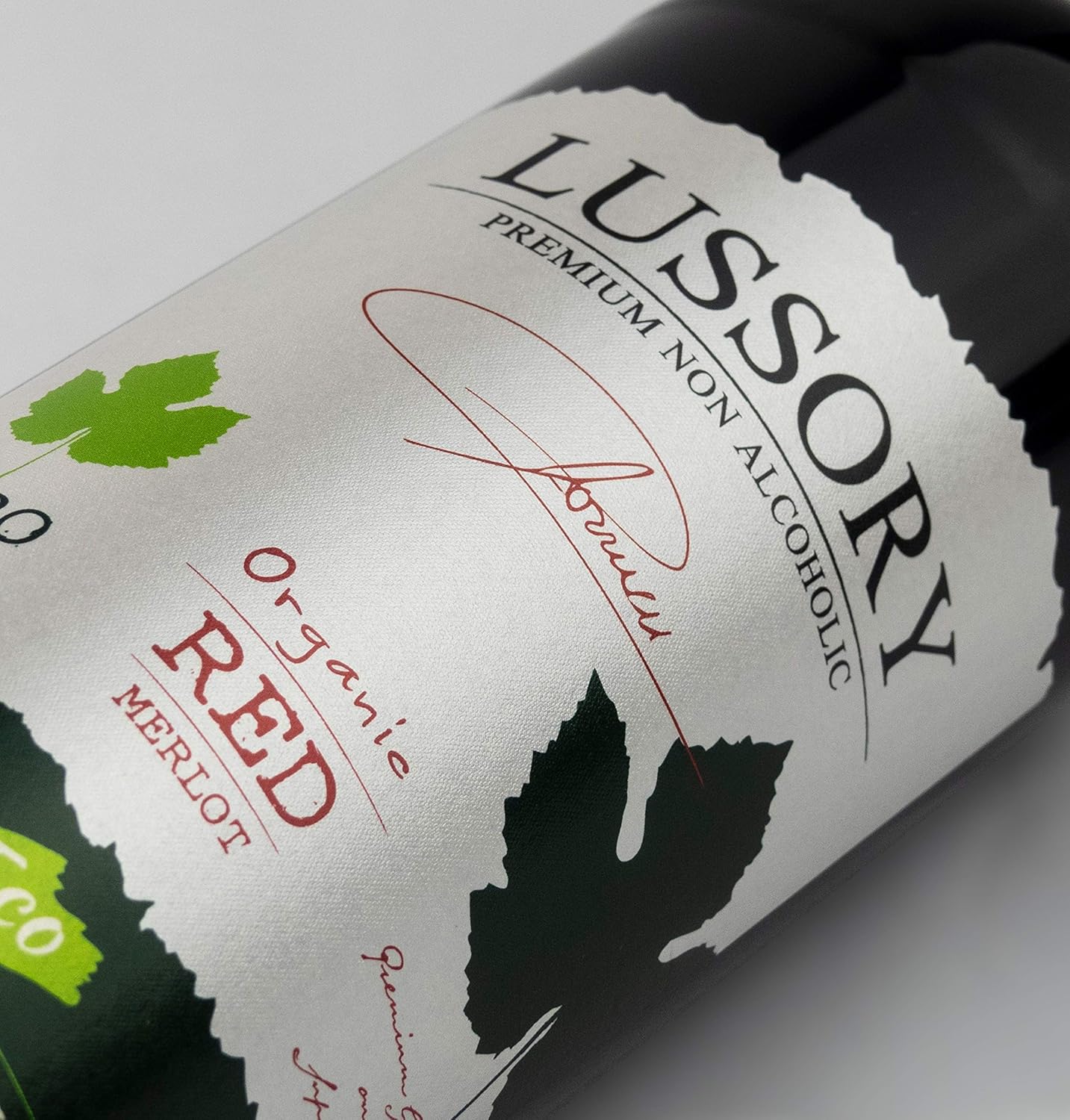

Lussory Organic Merlot is a 0.0% non-alcoholic red wine from Spain made for those who want the character of Merlot without alcohol. Produced with organic grapes, it offers a smooth, fruit-forward profile while keeping calories relatively low compared with traditional alcoholic wine. This vegan-friendly option comes in a 750ml bottle and works well for dinners, celebrations, or everyday occasions when you want a red wine alternative without the alcohol.
- Zero Alcohol: Contains 0.0% ABV for those who want to completely avoid alcohol.
- Organic Grapes: Made with organic ingredients and suitable for vegan diets.
- Lower Calories: Offers a lighter alternative to many traditional alcoholic red wines.
- Different Mouthfeel: May feel lighter and less complex than conventional Merlot.
- Moderate Reviews: Holds a 3.7 out of 5-star customer rating based on the provided listing.
- Higher Price: Costs more than some basic non-alcoholic wine alternatives.
Best for: A smooth 0.0% Merlot-style option
Lussory Organic Merlot is a completely alcohol-free red made from organic Merlot grapes.
It offers a softer, fruitier profile with notes of cherry, red berries, and floral character.
Because it contains 0.0% ABV, it may be a good fit for people who want to avoid alcohol entirely while still enjoying a wine-style beverage.
Why it stands out: It is alcohol-free, organic, relatively low in calories, and approachable for people who enjoy smooth reds.
3. Ariel Cabernet Sauvignon

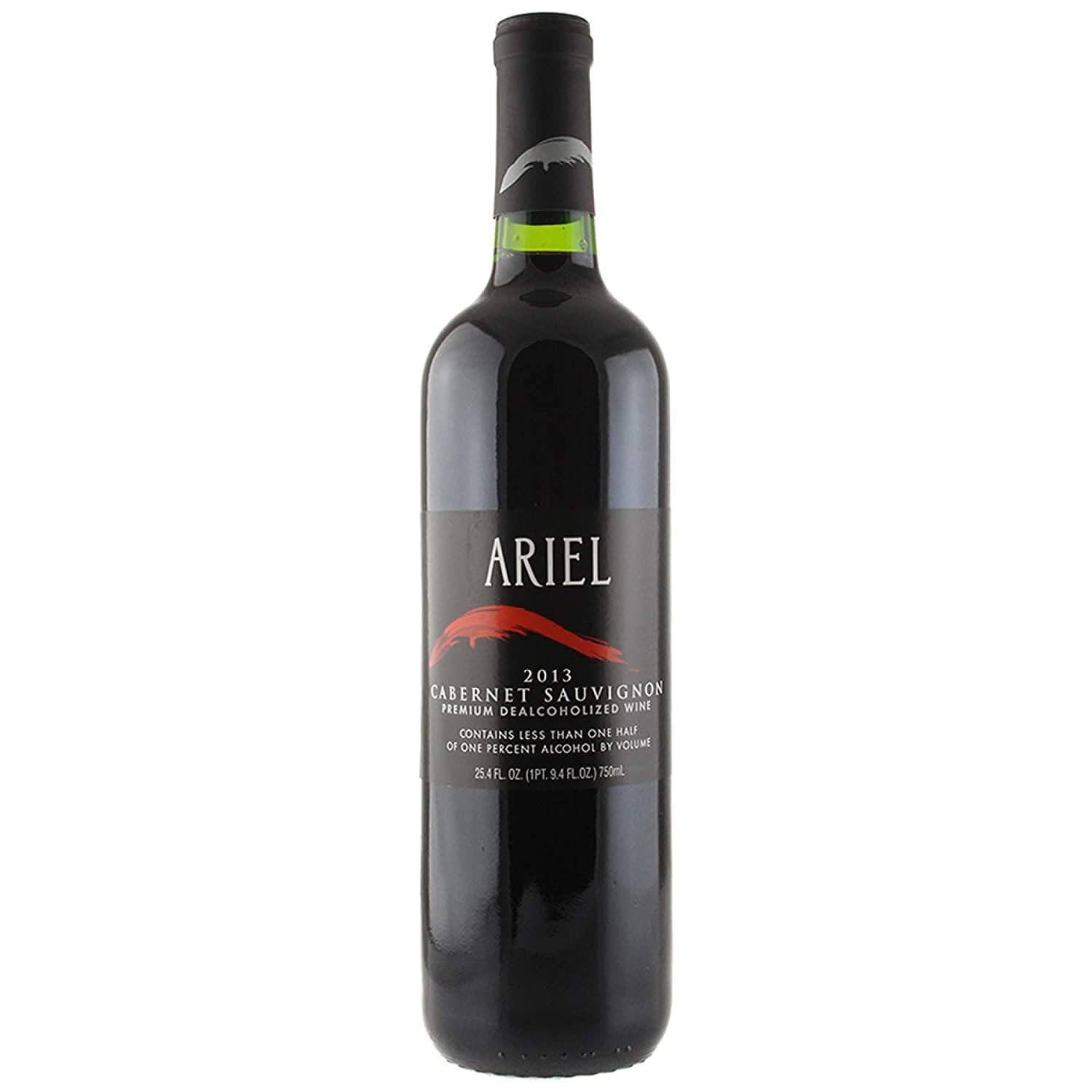

Ariel Cabernet Sauvignon is a non-alcoholic red wine made for Cabernet drinkers who want familiar wine character with significantly less alcohol. It is aged in small oak barrels, then gently cold-filtered to remove 99.5% of the alcohol. The result is a Cabernet-style red with oak influence and enough structure to pair with meals or enjoy on its own. This 6-pack includes 750ml bottles and is a practical option for entertaining, stocking up, or serving guests who prefer non-alcoholic wine.
- Low Alcohol: Removes 99.5% of the alcohol through gentle cold filtration.
- Oak Aged: Aged in small oak barrels for added depth and structure.
- Well Reviewed: Holds a 4.0 out of 5-star rating from more than 200 reviews.
- Bulk Pack: Sold as a six-bottle pack, which may be more than some buyers need.
- Higher Upfront Cost: The multi-bottle format requires a larger initial purchase.
- Lighter Finish: May not have the same body and intensity as traditional Cabernet Sauvignon.
Best for: Cabernet Sauvignon drinkers
Ariel Cabernet Sauvignon is one of the better-known dealcoholized red wines.
It offers blackberry, cherry, oak, and spice notes that resemble the flavor profile people expect from Cabernet Sauvignon.
The alcohol is removed after fermentation, allowing the wine to retain more of its traditional aroma and structure than many grape juice-based alternatives.
Why it stands out: It is a familiar choice for Cabernet drinkers who want the flavor of red wine with substantially less alcohol.
4. Just Enough Wines Non-Alcoholic Pinot Noir


Just Enough Non-Alcoholic Pinot Noir is an alcohol-removed red wine made with Pinot Noir grapes from California's Central Coast. Packaged in convenient single-serve cans, it offers a lighter way to enjoy red wine without opening a full bottle. The wine is low in calories, gluten-free, sustainably made, and designed to deliver the bright fruit character associated with Pinot Noir. The six-can pack is especially convenient for portion control, travel, picnics, dinners, or keeping individual servings ready at home.
- Single-Serve Cans: Individual portions make serving and portion control simple.
- Lower-Calorie Option: Offers a lighter alternative to many traditional alcoholic red wines.
- Sustainably Made: Produced with sustainability in mind and suitable for gluten-free diets.
- Moderate Reviews: Holds a 3.6 out of 5-star rating based on the provided listing.
- Premium Price: The six-can pack may cost more than some bottled non-alcoholic alternatives.
- Lighter Profile: May lack the body and complexity expected from traditional Pinot Noir.
Best for: A lighter red and portion control
This non-alcoholic Pinot Noir provides a lighter alternative with berry, cranberry, and red-fruit flavors.
Its single-serving format can also help with portion control.
Instead of opening a full bottle, you can enjoy one measured serving without feeling pressure to finish the remainder.
Why it stands out: It combines Pinot Noir character with little or no alcohol and offers convenient single-serving portions.
What Makes One Red Wine Healthier Than Another?
It is easy to focus on resveratrol when comparing red wines, but overall healthfulness depends on several factors.
The most important include alcohol level, residual sugar, serving size, polyphenol content, and drinking frequency.
Alcohol Content
Alcohol is one of the most important factors to consider.
The National Institute on Alcohol Abuse and Alcoholism defines one standard U.S. drink as approximately 14 grams of pure alcohol. This is roughly equivalent to 5 ounces of wine at 12% alcohol by volume.
Many modern red wines contain considerably more than 12% alcohol.
Cabernet Sauvignon, Shiraz, Zinfandel, Malbec, and other full-bodied styles often reach 14% to 15% ABV or more.
That means two identical 5-ounce pours can contain noticeably different amounts of alcohol depending on the bottle.
If you drink traditional wine, choosing an option with an ABV closer to 11% to 12.5% can reduce your alcohol intake compared with a wine containing 14.5% or 15%.
A dealcoholized red wine reduces alcohol exposure even further.
Residual Sugar
Dry red wines generally contain less residual sugar than sweet reds, dessert wines, and many semi-sweet blends.
During fermentation, yeast converts grape sugars into alcohol. When most of that sugar is fermented, the finished wine tastes dry. When more sugar remains, the wine tastes sweeter.
Sugar is not the biggest health concern associated with wine, since alcohol itself generally deserves more attention. Still, people watching their sugar intake, calories, or carbohydrate consumption may prefer dry red wine.
Look for products labeled dry, zero sugar, low sugar, or those that provide clear nutrition information.
Polyphenol Content
Red wine is known for its polyphenols.
These natural plant compounds contribute to the wine’s color, bitterness, astringency, and antioxidant properties.
Important polyphenols found in red wine include:
- Resveratrol
- Anthocyanins
- Quercetin
- Catechin
- Epicatechin
- Procyanidins
- Tannins
Because red wine is fermented with the grape skins, it usually contains more polyphenols than white wine.
Researchers have examined whether these compounds may help support blood vessel function, reduce oxidative stress, or influence inflammation. However, this does not mean drinking wine is necessary to obtain those compounds.
You can also get polyphenols from grapes, berries, cocoa, tea, nuts, and many other plant-based foods.
Serving Size
Serving size can completely change the amount of alcohol you consume.
A standard serving of wine is approximately 5 ounces, but home pours and restaurant pours are often larger.
An 8-ounce glass can contain more than one standard drink, especially if the wine is 14% or 15% ABV.
A standard 750-milliliter bottle also contains several drinks rather than one or two.
If you drink alcoholic red wine, paying attention to portion size can be just as important as choosing the grape variety.
Is Pinot Noir the Healthiest Red Wine?
Pinot Noir is frequently mentioned when people ask about the healthiest traditional red wine.
There are several reasons for this.
Pinot Noir is often lighter-bodied than Cabernet Sauvignon, Syrah, or Zinfandel. Some bottles also have relatively moderate alcohol levels.
The grape contains various polyphenols from its skins, including resveratrol and anthocyanins.
However, not every Pinot Noir is automatically healthier than every other red wine.
Alcohol level can vary dramatically.
A cool-climate Pinot Noir might contain 12% to 13% alcohol, while a riper style could approach 14.5% or more.
Polyphenol levels can also be influenced by:
- Climate
- Grape-growing conditions
- Grape ripeness
- Fermentation methods
- Skin contact
- Aging
- Vintage
- Storage conditions
If you prefer Pinot Noir, a dry bottle with moderate alcohol is a reasonable traditional choice.
Is Cabernet Sauvignon Healthy?
Cabernet Sauvignon is another frequently discussed option because it contains a significant amount of tannins and other polyphenols.
Cabernet grapes have thick skins and are typically fermented with prolonged skin contact. This contributes to their deep color, structure, and concentration of phenolic compounds.
However, Cabernet Sauvignon can also be relatively high in alcohol.
Many bottles from warmer wine regions contain between 14% and 15% ABV.
If you enjoy Cabernet but want a more health-conscious option, compare labels and choose a lower-alcohol bottle when possible.
A dry Cabernet with 12.5% alcohol would generally expose you to less ethanol per serving than one with 15%, assuming identical serving sizes.
What About Tannat?
Tannat often appears on lists of antioxidant-rich red wines.
The grape is naturally high in tannins and other phenolic compounds. Its wines are typically dark, structured, and deeply colored.
Tannat may contain substantial levels of polyphenols, but that does not automatically make it healthier.
A high-polyphenol wine with 15% alcohol is still a high-alcohol beverage.
If health is your priority, alcohol content and serving size should carry more weight than antioxidant concentration alone.
Are Tannic Red Wines Better for You?
Tannins are naturally occurring polyphenolic compounds found in grape skins, seeds, stems, and sometimes oak barrels.
Red wines known for stronger tannin structure include:
- Cabernet Sauvignon
- Tannat
- Nebbiolo
- Syrah
- Malbec
These wines may provide higher concentrations of certain polyphenols, but “more tannins” does not automatically mean “healthier.”
A tannic red wine may also be stronger in alcohol.
When comparing wines, it is better to consider the entire nutritional and alcohol profile rather than focusing on one compound.
Does Resveratrol Make Red Wine Healthy?
Resveratrol is probably the most famous compound associated with red wine.
It is a natural polyphenol found in grape skins and several other plants.
Researchers have investigated resveratrol’s potential influence on inflammation, oxidative stress, cardiovascular function, and cellular health.
This research contributed heavily to the idea that red wine might protect the heart.
However, the evidence does not mean people should drink wine specifically to obtain resveratrol.
Observational studies can also be difficult to interpret because moderate wine drinkers may differ from non-drinkers in many ways, including exercise habits, income, diet quality, smoking behavior, and healthcare access.
More importantly, resveratrol and other polyphenols are available from non-alcoholic sources.
You can find similar plant compounds in:
- Red and purple grapes
- Blueberries
- Blackberries
- Cranberries
- Peanuts
- Pistachios
- Cocoa
- Tea
For that reason, drinking wine is not necessary to obtain antioxidants.
Why Lower-Alcohol Wine May Be a Better Traditional Choice
If you prefer conventional wine, comparing alcohol by volume is one of the easiest ways to make a more health-conscious choice.
Consider these two wines:
Wine A: 11.5% ABV
Wine B: 15% ABV
If you drink the same 5-ounce serving of each, Wine B delivers significantly more ethanol.
Over multiple glasses or repeated occasions, that difference becomes more meaningful.
If you choose alcoholic red wine, consider looking for:
- 11% to 12.5% ABV when available
- Dry styles
- Minimal residual sugar
- Clearly disclosed nutrition information
- Moderate serving sizes
- Wines you naturally drink slowly
Is Organic Red Wine Healthier?
Organic wine is often marketed as a healthier choice, but the term mainly describes agricultural and production practices.
Organic grapes are grown according to specific farming standards, generally restricting certain synthetic pesticides and fertilizers.
That may matter to consumers who prioritize organic agriculture.
However, alcohol remains alcohol.
An organic Cabernet Sauvignon containing 14.5% ABV exposes you to essentially the same type of ethanol as a conventionally grown Cabernet at 14.5%.
Organic certification alone should not be used to determine whether a wine is healthier.
Is Natural Wine Healthier?
Natural wine generally refers to wines produced with minimal intervention, although there is no single universal definition.
Natural winemakers may use native yeast, fewer additives, minimal filtration, and sustainably grown grapes.
These characteristics can make natural wine appealing, but they do not eliminate alcohol-related health concerns.
A natural wine with 13.5% alcohol is still an alcoholic beverage.
Is Sulfite-Free Wine Healthier?
Sulfites are preservatives that help protect wine against oxidation and microbial spoilage.
Some consumers associate sulfites with headaches, but wine headaches may have many causes.
People with true sulfite sensitivity may need to limit exposure. For most wine drinkers, however, sulfite content is not the primary factor determining whether one wine is healthier than another.
Alcohol content, drinking frequency, and serving size are much more important.
Is Red Wine Actually Good for Your Heart?
Red wine has been associated with heart health for decades.
Some observational research found that moderate wine drinkers appeared to have lower rates of certain cardiovascular problems.
However, association does not prove cause and effect.
Moderate wine drinkers may also exercise more, eat healthier diets, have better access to healthcare, or engage in other habits that influence cardiovascular health.
The American Heart Association does not recommend that people start drinking alcohol to prevent heart disease.
Potentially beneficial compounds found in red wine can also be found in grapes, berries, and other foods.
For someone who does not currently drink alcohol, there is no health-based reason to start drinking red wine.
How to Choose a Healthier Red Wine
When comparing traditional wines, use a simple checklist.
Check the ABV
Lower alcohol generally means less ethanol per serving.
Look for wines closer to 11% to 12.5% ABV when possible.
Choose Dry Wines
Dry reds typically contain less residual sugar than sweet or semi-sweet styles.
Watch Your Pour
Keep servings near 5 ounces or less.
Drink With Food
Wine consumed with a meal is often consumed more slowly than wine consumed by itself.
Alternate With Water
Drinking water between servings can help slow your overall pace.
Avoid Drinking for Antioxidants
If your goal is to increase polyphenol intake, choose grapes, berries, tea, cocoa, vegetables, or other plant foods instead.
Which Red Wines Should You Limit?
If health is your primary concern, certain wine styles may be worth limiting.
High-Alcohol Reds
Some Zinfandel, Shiraz, Cabernet Sauvignon, Amarone, and warm-climate blends can reach 15% ABV or higher.
Sweet Red Wines
Semi-sweet and dessert reds may contain substantially more residual sugar than dry wines.
Fortified Wines
Port and other fortified wines typically contain considerably more alcohol than standard table wine.
The portions are smaller, but the alcohol concentration is much higher.
What Is the Healthiest Way to Drink Red Wine?
If you choose to drink traditional red wine, the healthiest strategy has more to do with moderation than grape variety.
Consider these habits:
- Choose lower-alcohol wine.
- Prefer dry styles.
- Keep pours small.
- Drink slowly.
- Enjoy wine with food.
- Alternate wine with water.
- Have alcohol-free days.
- Avoid drinking several servings at once.
- Do not use wine as a source of antioxidants.
Some people should avoid alcohol entirely, including people who are pregnant, taking certain medications, recovering from alcohol use disorder, preparing to drive, or managing certain medical conditions.
So, What Is the Healthiest Red Wine?
There is no single red wine that can accurately be called the healthiest for everyone.
If reducing overall health risk is your priority, a dry dealcoholized or 0.0% red wine with relatively little sugar is generally the best choice.
If you prefer traditional alcoholic wine, look for a dry red with moderate alcohol and keep the serving size small.
Pinot Noir can be a good option because many bottles are lighter and lower in alcohol than heavier reds. Cabernet Sauvignon, Tannat, Syrah, and other deeply colored varieties may contain more tannins and polyphenols, but higher antioxidant content does not eliminate alcohol-related risks.
Ultimately, the healthiest choice depends less on whether the bottle contains Pinot Noir, Cabernet Sauvignon, Merlot, or Syrah and more on how much alcohol you consume, how frequently you drink, and how large your servings are.
Frequently Asked Questions
1. What type of red wine is the healthiest?
There is no scientifically established single healthiest alcoholic red wine. If reducing health risk is your main goal, dry non-alcoholic or dealcoholized red wine is generally a better option. Among alcoholic wines, choose a dry, lower-ABV red and keep your serving size moderate.
2. Is Pinot Noir healthier than Cabernet Sauvignon?
Not automatically. Pinot Noir is often lighter and may contain less alcohol, while Cabernet Sauvignon may contain more tannins and other polyphenols. The actual ABV, residual sugar, serving size, and drinking frequency matter more than the grape name alone.
3. Which red wine has the most antioxidants?
Tannat, Cabernet Sauvignon, Syrah, Malbec, Nebbiolo, and some Pinot Noirs can contain substantial levels of polyphenols. However, antioxidant concentration varies by vineyard, climate, vintage, and winemaking technique. More antioxidants also do not cancel the effects of alcohol.
4. Is one glass of red wine every day healthy?
Current evidence does not support starting a daily red wine habit specifically for health benefits. Alcohol consumption is associated with health risks, including an increased risk of several cancers. If you already drink, lower intake generally means lower alcohol-related risk.
5. Can I get red wine antioxidants without alcohol?
Yes. Grapes, blueberries, blackberries, cranberries, nuts, cocoa, tea, and many other plant foods contain polyphenols. Dealcoholized red wine can also provide wine-derived compounds while greatly reducing exposure to alcohol.